Learn how long does a roof inspection take in this 45–120 minute guide. See how size, pitch, and storm damage impact the time needed for a full report.
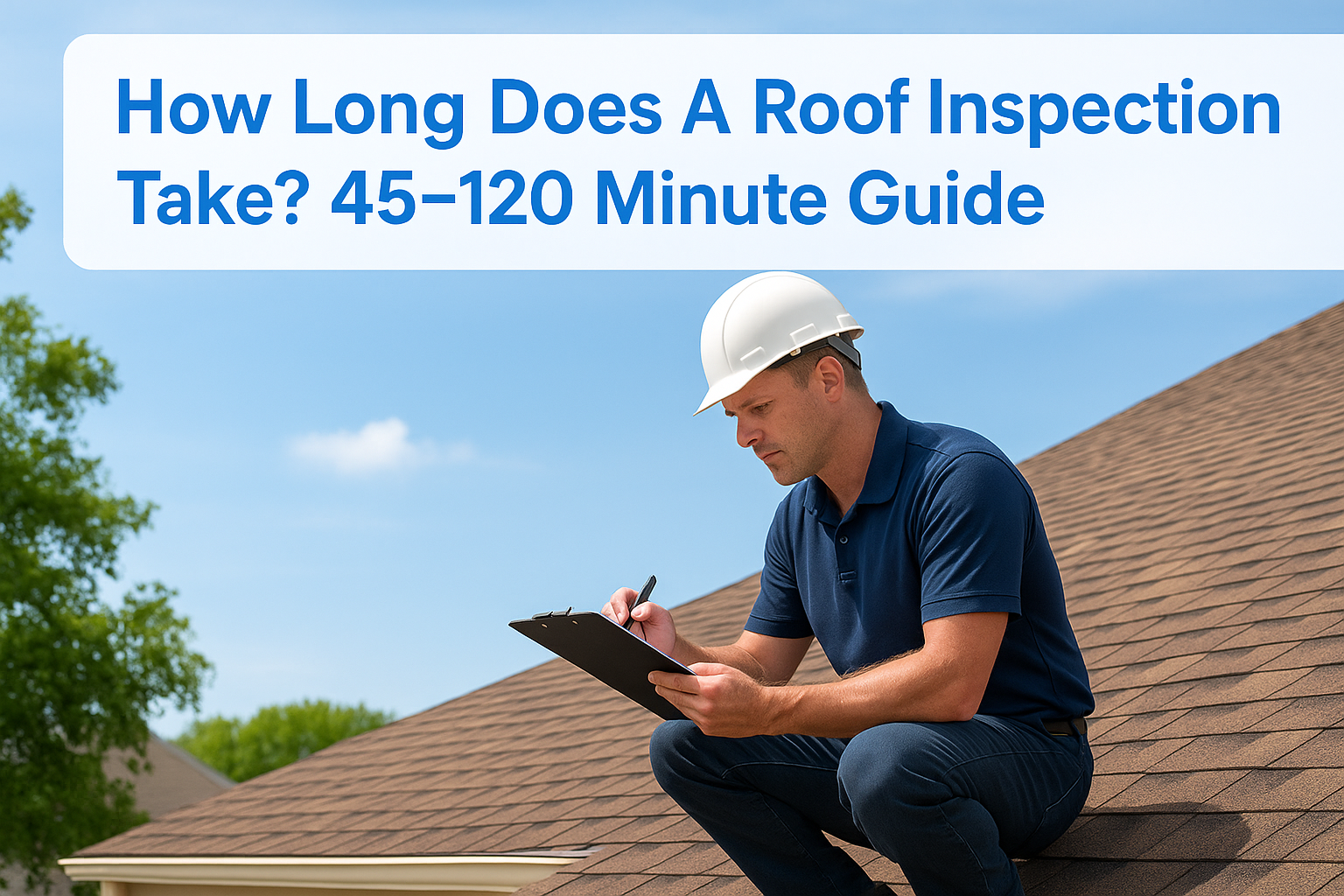
Most homeowners asking how long does a roof inspection take want a straight answer, so here it is: a thorough inspection typically runs 45 to 120 minutes, depending on your roof's size, pitch, and condition.
That range matters, though. A quick 20-minute walkthrough from a contractor trying to sell you something is not the same as a detailed assessment that actually documents what's going on up there. At Defend Roofing, our inspections in the Austin area include 100+ photos and clear findings because Chris and Greyson Buster, our father-and-son team with three generations of roofing experience, believe you deserve evidence, not a sales pitch. That level of detail takes time, and it's worth every minute.
This guide breaks down exactly what affects inspection duration, what happens during each phase of the process, and how to tell whether your inspector is being thorough or just going through the motions.
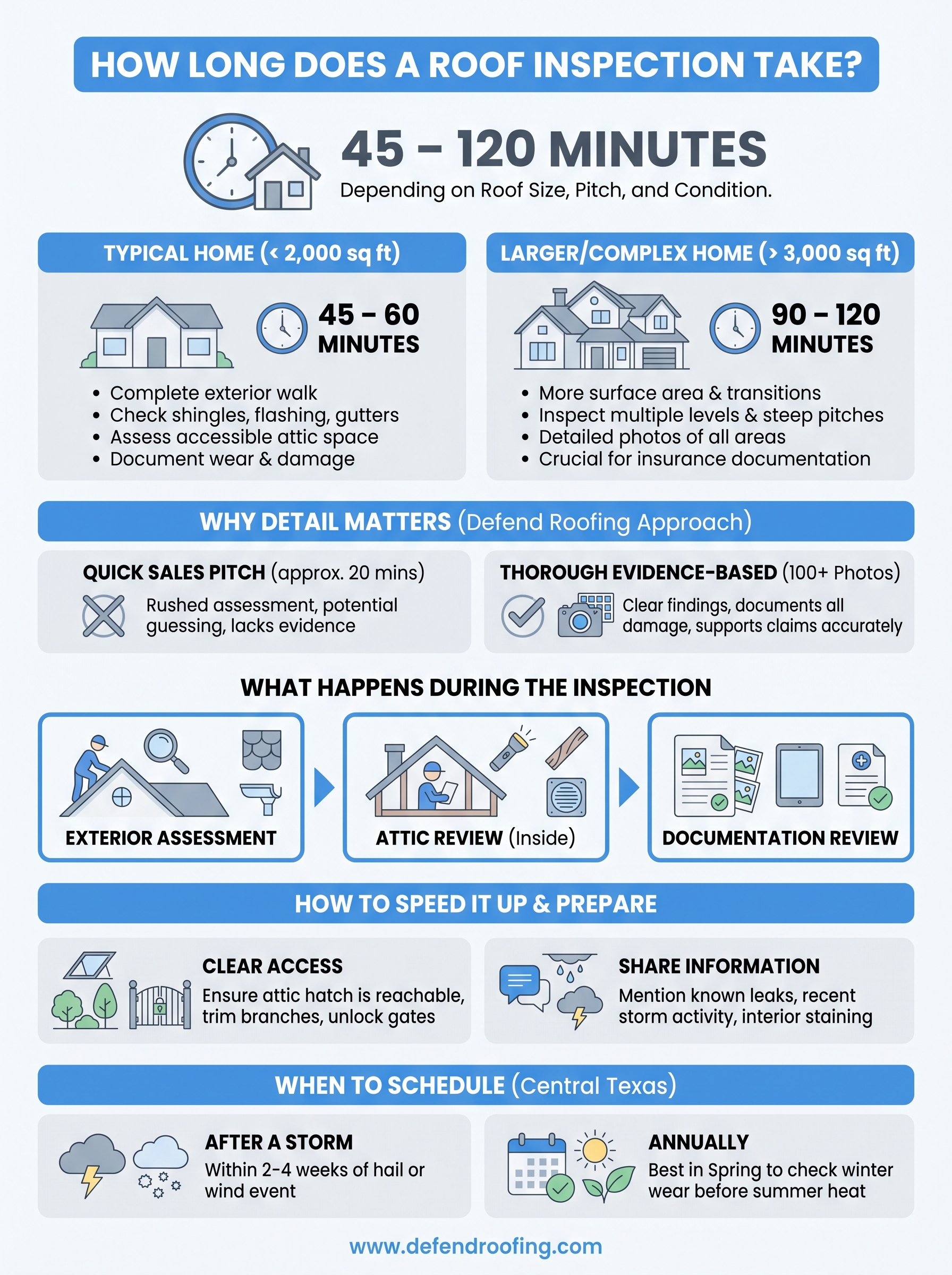
For a typical single-story home under 2,000 square feet with a straightforward gable or hip roof, plan on 45 to 60 minutes for a complete, thorough inspection. That gives a qualified inspector enough time to walk the full exterior, examine the roof decking, assess flashing around chimneys and pipe vents, check gutters for granule buildup, and photograph every area that shows wear or damage. Skipping any of those steps is not an inspection; it's a guess.
On a smaller home, your inspector spends most of that time on the roof surface itself, checking for cracked or missing shingles, granule loss, soft spots in the decking, and any place where water could work its way in. Your inspector should also check the attic from the inside when it's accessible, which adds 10 to 15 minutes to the visit but reveals ventilation problems and moisture damage that are completely invisible from the roof surface alone. Those interior findings often change the entire scope of what needs to be done.
A thorough inspection of a smaller home should still take at least 45 minutes. If your inspector wraps up in 20, they likely missed something important.
Two-story homes, roofs over 3,000 square feet, or properties with multiple roof planes, skylights, dormers, or steep pitches can take 90 to 120 minutes to inspect properly. More surface area means more photographs, more transitions to check, and more potential entry points for water. When you're asking how long does a roof inspection take on a larger home, the honest answer is that rushing it costs you accuracy. Inspections on larger Austin-area homes routinely reach 100-plus photos because that level of documentation is what actually protects you when dealing with insurance adjusters or competing contractor bids.
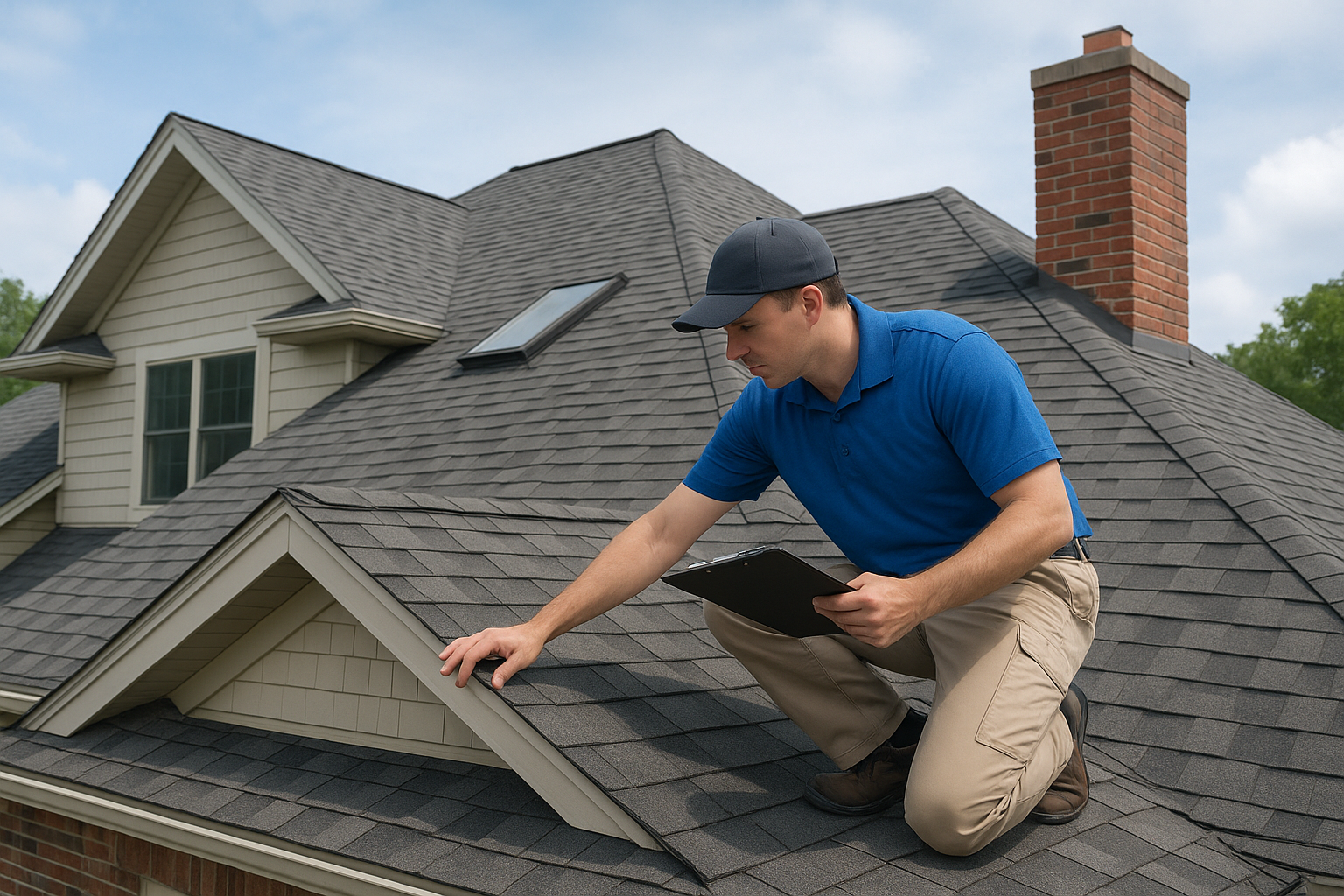
Several variables directly affect how long a roof inspection takes, and knowing them upfront helps you set realistic expectations before the inspector arrives. The two biggest drivers are the physical characteristics of your roof and the condition it's in when the inspector shows up.
A steep or high-pitched roof takes longer to navigate safely, which adds time to every phase of the inspection. Inspectors move more carefully on a 10/12 pitch than on a 4/12, and that caution is not inefficiency; it's accuracy. Each additional roof plane, such as a dormer, a shed addition, or a separate garage structure, adds its own checklist of transitions, flashing points, and drainage paths that all need thorough documentation.
Significant storm damage extends the inspection considerably because every affected area needs individual photographs and precise measurements. If your roof took a recent hail hit or a wind event, your inspector needs to document each impact site carefully and systematically so the final report holds up with your insurance adjuster and supports your claim accurately.
Rushing a damage assessment to save 30 minutes can cost you thousands in a denied or underpaid insurance claim.
A professional inspection moves through three distinct phases: the exterior roof surface, the interior attic space, and the final documentation review. Understanding each phase helps you know what your inspector should actually be doing and what questions to ask if something gets skipped.
Your inspector starts on the ground, scanning the overall roof condition and drainage system before climbing up. On the roof, they check every major component for damage, wear, or water entry points:
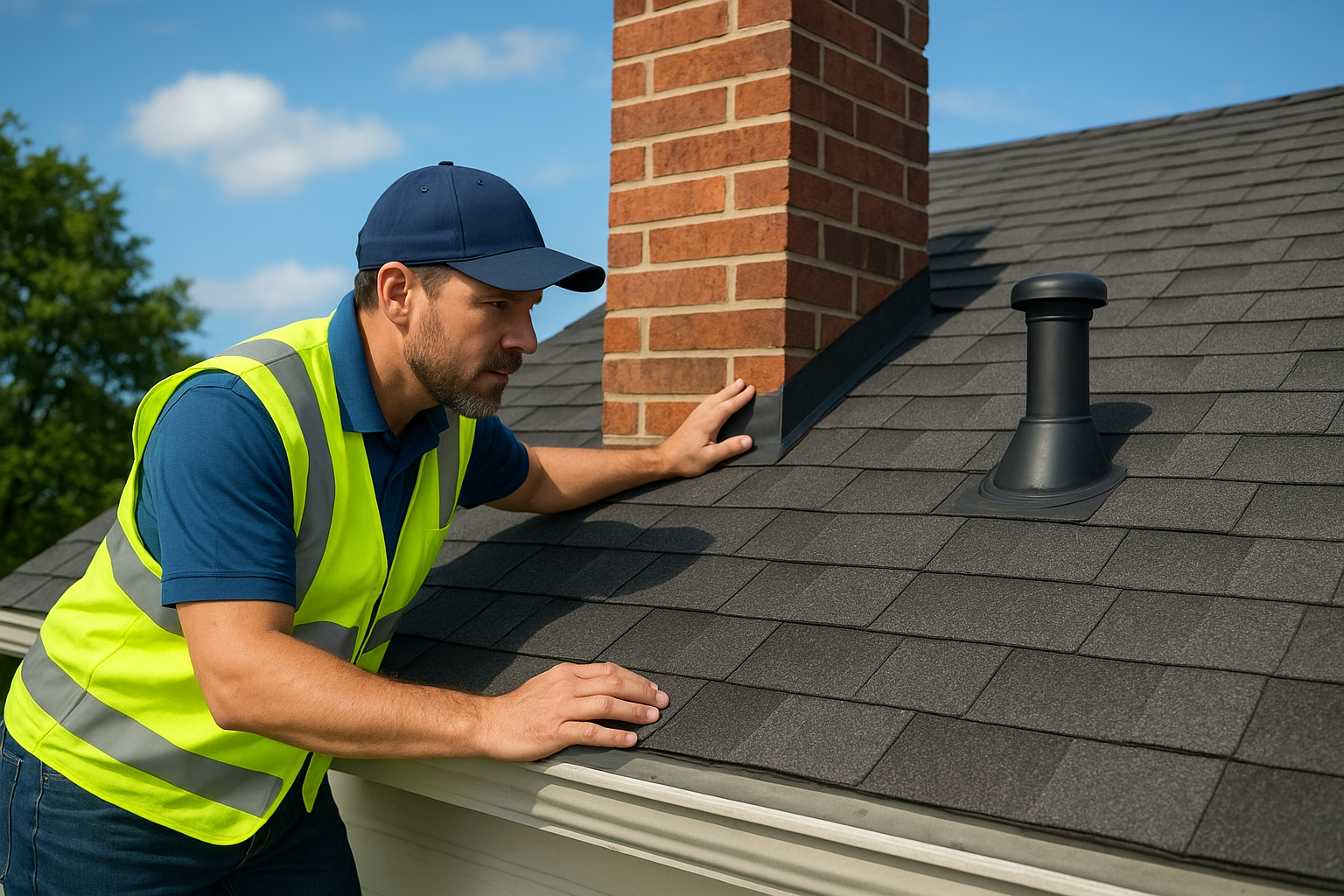
After the roof surface, your inspector moves inside to check attic ventilation and any signs of moisture intrusion that the exterior view cannot reveal. Staining on rafters, compressed insulation, or soft decking all point to water getting in somewhere. The final step pulls everything together into a written report with photos so you have a clear record for your insurance company or for comparing contractor bids.
A photo-backed report is the difference between a claim that gets paid and one that gets disputed.
A few simple steps on your end can meaningfully reduce how long a roof inspection takes without cutting any corners on accuracy. When your inspector arrives to a well-prepped property, they spend less time working around obstacles and more time on the actual assessment.
Attic access is one of the most common time delays during an inspection. Make sure the attic hatch is reachable and not blocked by stored boxes or furniture. Outside, trim back any tree branches overhanging the roofline so your inspector can move safely and photograph every section clearly.
Blocked access does not just slow the inspection down; it can mean entire areas go undocumented.
Tell your inspector upfront about any known leaks, recent storm events, or areas where you have noticed staining on interior ceilings. That information lets them prioritize the most critical areas first and build a more accurate picture of what your roof needs before they even step on it.
Central Texas weather gives your roof a hard workout every year. Hail, high winds, and intense summer heat accelerate shingle wear faster than most other parts of the country, which means knowing when to book an inspection matters just as much as knowing how long does a roof inspection take.
Storm damage in the Austin area is often invisible from the ground but still shortens your roof's lifespan and gives insurers grounds to dispute claims if you wait too long to document it. Schedule an inspection within two to four weeks of any significant storm event so the damage is fresh, photographed, and reportable before your claim window narrows.
Waiting months after a storm to inspect your roof is one of the most common reasons insurance claims get denied in Texas.
Regardless of storm activity, an annual inspection keeps you ahead of minor issues before they turn into expensive repairs. Spring is the best window in Central Texas because your inspector can identify any wear from winter months and assess overall roof health before peak summer heat drives existing problems deeper into the decking and structure.
Now you know how long does a roof inspection take and exactly what drives that timeline. The range of 45 to 120 minutes is not arbitrary; it reflects the real work involved in documenting your roof accurately so you can make informed decisions about repairs, replacements, or insurance claims.
If your roof has taken recent storm damage, shows visible wear, or you have not had it checked in the past year, the right move is to book an inspection before a minor issue becomes a major repair bill. Waiting consistently costs more than the inspection itself.
Chris and Greyson at Defend Roofing serve homeowners across the Austin area with 100-plus photos per assessment, honest repair-versus-replace guidance, and no pressure tactics of any kind. Schedule your roof inspection today and get clear, documented answers about your roof's condition from a team that has been doing this work for three generations.