Decide between roof replacement vs repair with confidence. Learn to evaluate damage, use photo evidence, and select the most cost-effective fix for your home.
A few missing shingles after a storm don't always mean you need a new roof. But a sagging deck or widespread leaks probably do. The question of roof replacement vs repair comes down to specifics, the type of damage, how far it's spread, the age of your roof, and what makes financial sense over the next 10 to 20 years. Getting that call wrong in either direction costs you money.
At Defend Roofing, we walk Central Texas homeowners through this exact decision every week. As a father-and-son team with three generations of roofing experience, Chris and Greyson Buster built this company around honest assessments, not upsells. Every inspection includes 100+ photos documenting your roof's actual condition, so you see exactly what we see before spending a dollar.
That transparency matters here because the repair-vs-replace decision is where many homeowners get pushed into work they don't need, or talked into a patch job that fails within a year. This article breaks down the real factors that should drive your choice: damage extent, roof age, cost comparisons, insurance considerations, and long-term value. By the end, you'll have a clear framework to evaluate your own situation and make a confident call on the right fix for your home.
The repair-or-replace decision is one of the largest financial choices you'll make as a homeowner, often sitting somewhere between a $500 targeted repair and a $15,000-plus full replacement. Getting it wrong in either direction hits your wallet hard. A repair that fails within 18 months means you're paying labor costs twice and potentially dealing with interior water damage that wasn't there before. A full replacement you didn't actually need drains savings that could have stayed in your account for another decade.
Most roofing repairs in Central Texas fall in the $300 to $1,500 range depending on scope, while a full residential roof replacement typically runs $8,000 to $20,000 or more based on square footage, materials, and pitch. That's a significant difference, and it means the stakes of this call are real. A repair makes sense when damage is genuinely isolated and the rest of the roof has meaningful life left. Replacement makes sense when repair costs start stacking up, the roof is nearing the end of its expected lifespan, or the underlying deck structure is compromised.
If you're spending more than 30% of a replacement's cost on repeated repairs over a few years, a full replacement almost always delivers better long-term value.
Choosing between roof replacement vs repair also affects your home's resale value and marketability. Buyers and home inspectors look closely at roof condition and age. A 22-year-old roof with multiple patch jobs raises flags that can stall a sale or drop your asking price. A new roof signals to buyers that the home has been maintained and the biggest exterior system won't need attention for years, which often translates directly into negotiating leverage.
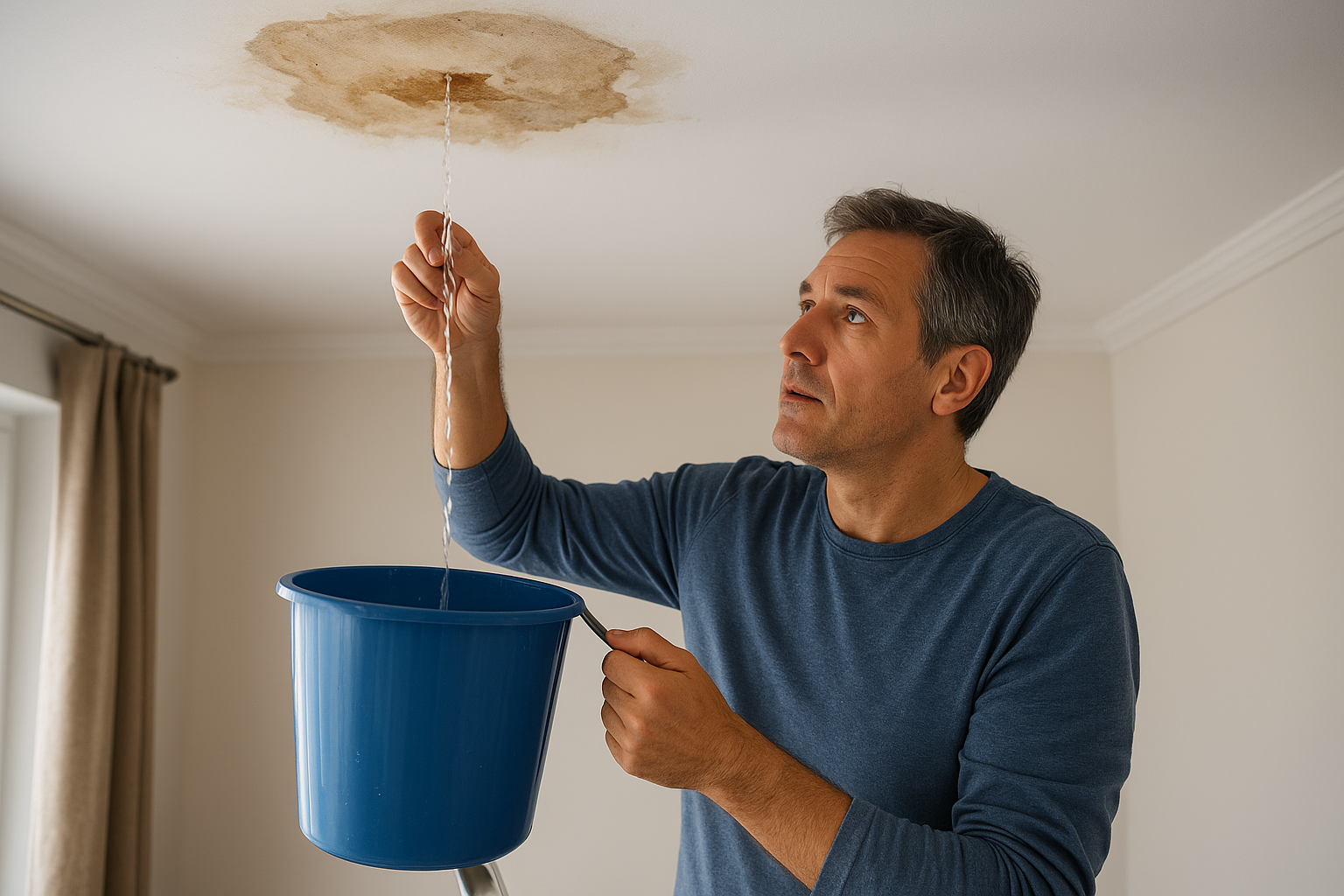
A delayed replacement or an incomplete repair doesn't just leave your roof vulnerable. It puts your attic insulation, ceiling drywall, and interior framing at risk too. Water finds the path of least resistance, and once it moves past a compromised roof deck, it spreads far beyond the original entry point. By the time you see a stain on your ceiling, structural damage may already be advancing in places you can't see without a detailed inspection.
Timing also matters for insurance purposes. Many homeowner policies distinguish between sudden storm damage and gradual deterioration caused by deferred maintenance. If an adjuster determines that neglected upkeep contributed to your claim, your coverage can be denied or significantly reduced. Acting on documented damage promptly, backed by clear photo evidence of the actual cause, protects both your home and your claim. Every choice you make about your roof, repair or replace, works better when it starts with a clear picture of what's actually happening up there.
Before you can weigh roof replacement vs repair, you need accurate information about what's actually happening on your roof. Most homeowners rely on a contractor's verbal summary alone, but that leaves you making a major financial decision without the full picture. A thorough inspection gives you documented evidence of the damage's actual scope, which is the only reliable foundation for this choice.
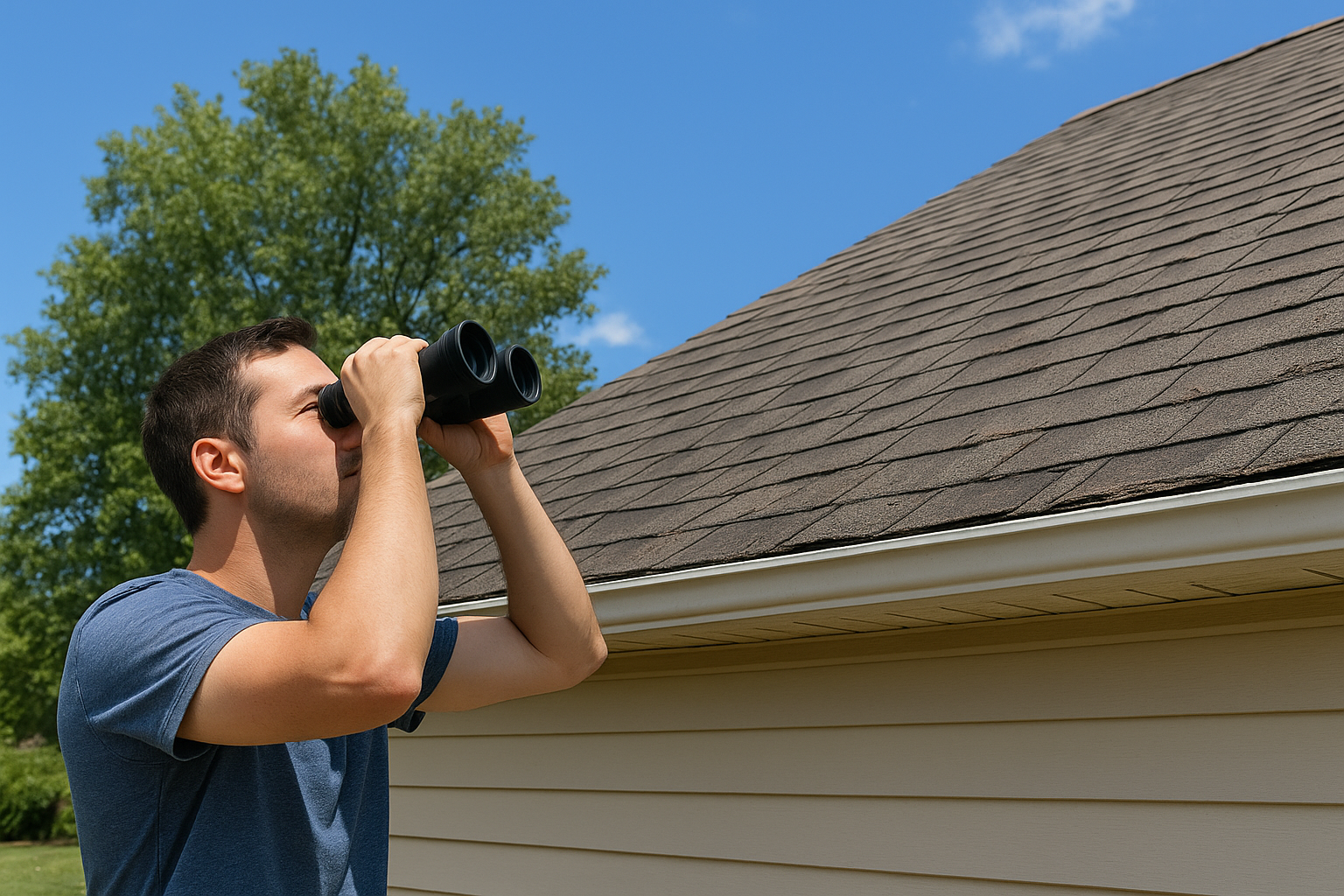
Start your inspection from the ground with binoculars before anyone climbs up. Walk the full perimeter of your home and look for shingles that are missing, curled at the edges, or visibly cracked. Check your gutters for granule buildup, which looks like coarse, dark sand and signals that your shingles are deteriorating from age or impact. Also look at the roof's overall plane for any visible dipping or unevenness along the ridge line, since those shapes suggest structural issues beneath the surface layer.
If you see daylight through your attic boards or find soft spots when pressing on the deck from inside, those are signs that a simple repair will not fix the underlying problem.
From inside your attic, inspect the underside of the roof deck with a flashlight. Dark staining, soft or spongy wood, and any active moisture anywhere on the deck tell you water has already moved past the surface layer. Note the location and spread of any staining so a contractor can trace it back to the entry point on the exterior.
A detailed photo record of your roof's condition does more than confirm damage. It protects you during insurance claims, gives your contractor an accurate scope of work, and prevents disputes later about what existed before the project started. At Defend Roofing, every assessment includes 100+ photos so you have a clear, timestamped record of everything found during the inspection. Good documentation should capture:
Repairs make sense in more situations than most homeowners expect, as long as the damage is isolated and the rest of the roof is structurally sound. Before you move to the roof replacement vs repair decision, run through a basic repair-first checklist to see if a targeted fix genuinely covers the problem. This approach saves money when the conditions are right and keeps you from replacing a roof that still has years of reliable performance left in it.
Your roof is a strong candidate for repair when the damage stays localized and the surrounding materials are still in good shape. Age and overall condition matter just as much as the visible damage itself. If your roof is less than 15 years old and has no widespread granule loss, no sagging sections, and no attic moisture, a repair is almost always the right starting point.
A repair makes the most financial sense when the affected area covers less than 30% of one roof section and the deck beneath it is dry and solid.
Look for these conditions before committing to a repair:
Sometimes you start the repair-first checklist and the evidence stops you early. If two or more items on the list above don't apply, that's a signal worth taking seriously. Widespread granule loss, multiple leak entry points, or a roof older than 20 years with recurring problems means repair costs will likely compound rather than resolve. Catching that pattern early, before another repair fails, is where an honest and thorough documented inspection earns its value.
Some roofs reach a point where another repair is just delaying an inevitable and larger expense. Understanding that threshold is central to the roof replacement vs repair decision, and it comes down to a few clear patterns that show up consistently once you have a detailed inspection in hand.
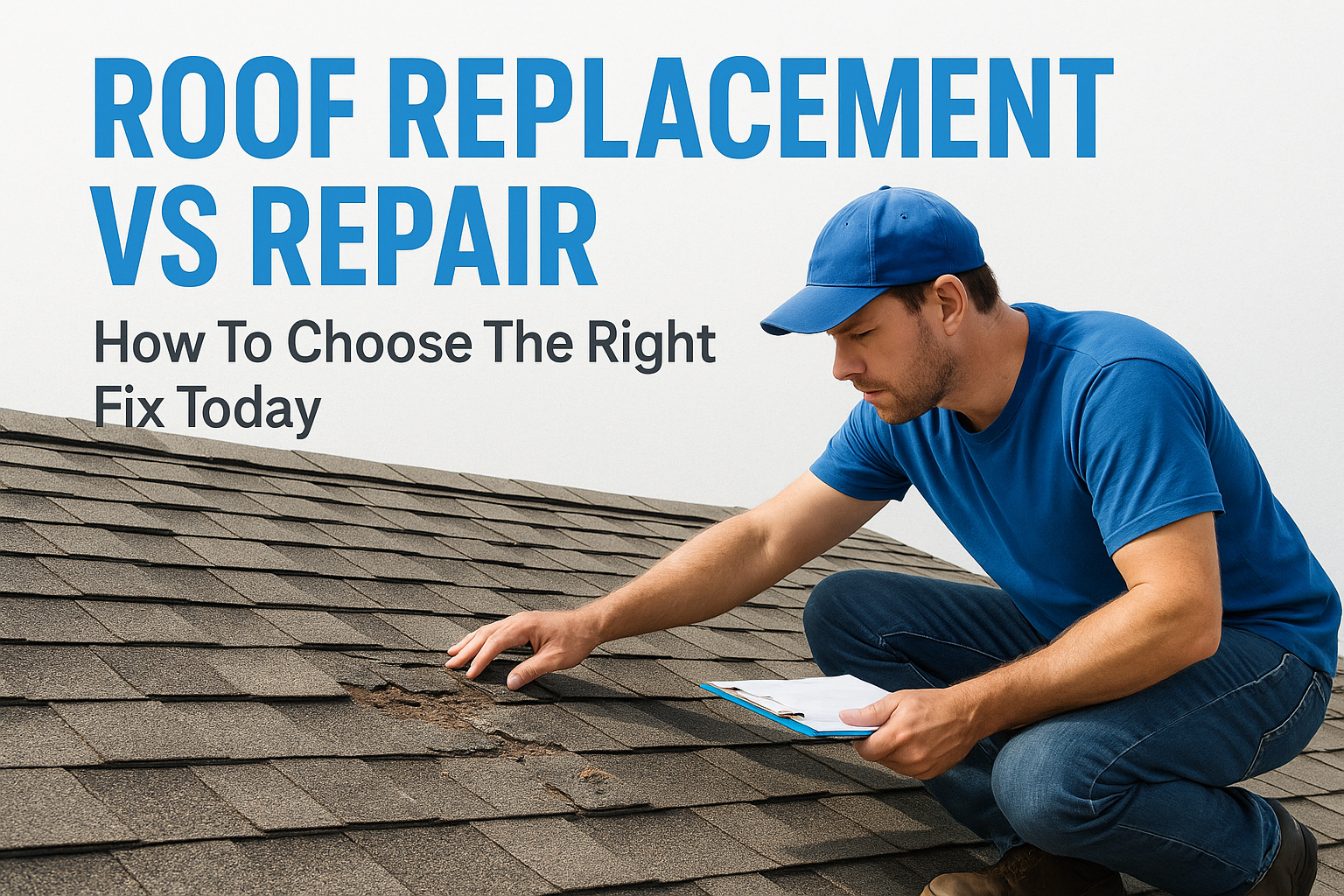
Certain conditions signal that your roof has moved past the range where repair delivers reliable results. Widespread shingle deterioration, where granule loss, curling, or cracking spans multiple sections of the roof, is the clearest sign that the surface layer has reached the end of its functional life. Patching one section while the rest continues to break down means you'll be back on the phone with a contractor within a year or two.
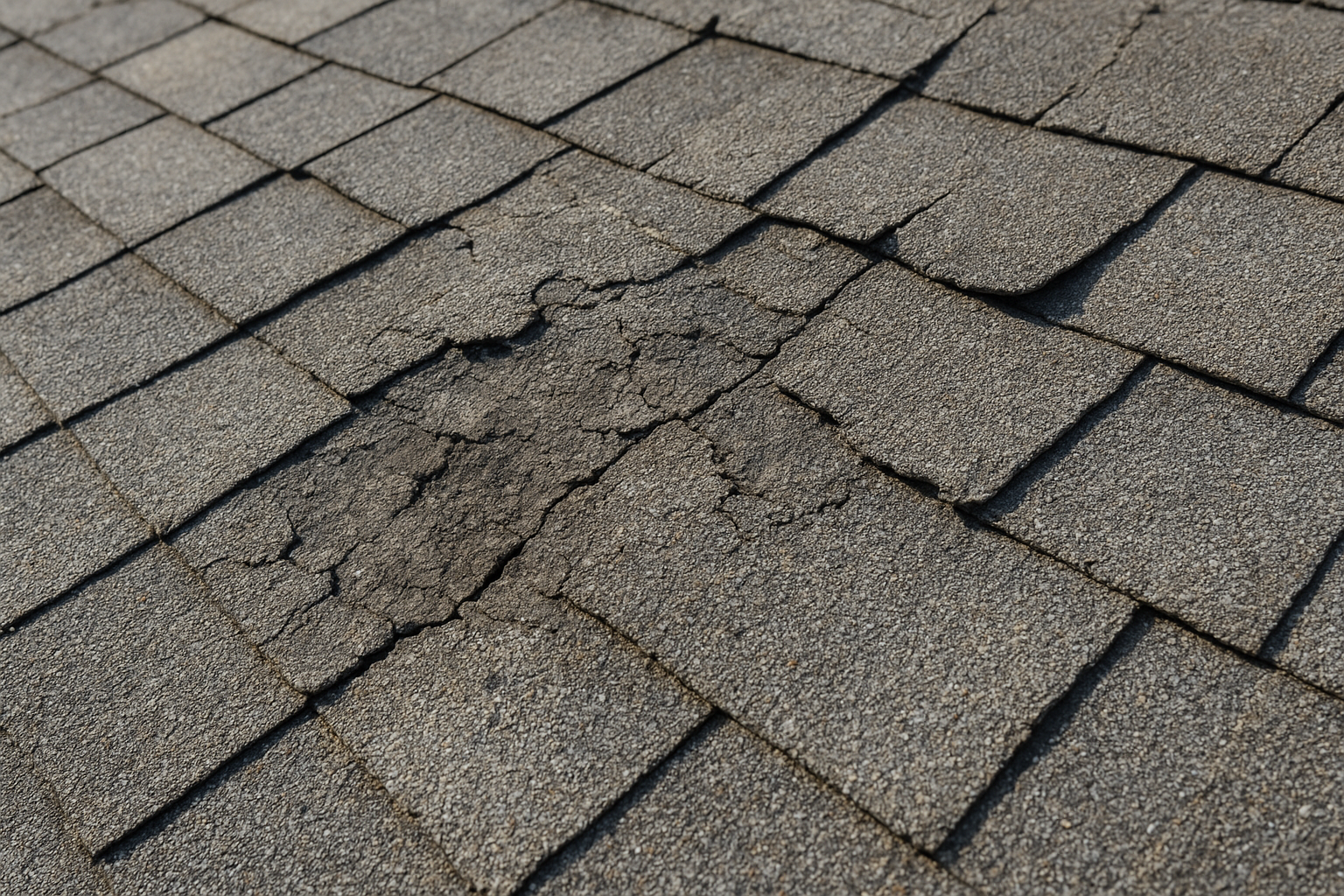
If your roof deck shows moisture damage in more than one location, or if you've had two or more leaks in different areas within the past three years, replacement typically costs less over time than continued patching.
Sagging along the ridge or between rafters is another condition that repair cannot solve. That shape points to structural failure in the deck or framing, and no surface-level work corrects it. At that stage, the only fix that actually holds is removing the existing material and addressing what's underneath.
A roof's age is one of the most reliable decision factors available to you. Most asphalt shingle roofs carry an expected lifespan of 20 to 30 years depending on installation quality and Texas weather exposure. If your roof is 18 years old or older and showing moderate damage, the repair cost buys you only a fraction of the life a new roof provides.
Running the numbers directly makes this clearer: a $1,800 repair on a 20-year-old roof that lasts another three years costs more per year of protection than a full replacement that carries a new manufacturer warranty and 20-plus years of coverage. Age combined with recurring repair history almost always tips the math toward replacement.
Once you know whether roof replacement vs repair is the right path, the planning phase determines whether the project goes smoothly or creates costly surprises. Three key areas need your attention before any work begins: accurate cost estimates, insurance coverage, and contractor selection.
Getting a clear estimate starts with knowing what drives pricing. Roofing costs in Central Texas depend on square footage, roof pitch, material selection, and whether your deck needs structural repairs before new shingles go down. A full replacement typically falls in the $8,000 to $20,000 range for most Austin-area homes, while targeted repairs usually run between $300 and $1,500.
Always request a written, line-by-line scope of work so you can compare bids accurately and spot any gaps before signing.
Factors that move your estimate higher include steep roof pitch, multiple penetrations like skylights or chimneys, and deck damage that requires replacement boards before shingles go down.
If storm damage triggered your decision, your homeowner's insurance policy may cover a large portion of the cost. Report damage promptly, since most policies set a defined window for claim filing. Provide your adjuster with timestamped photos and clear documentation of both the damage and its likely cause.
A second inspection visit from your contractor alongside the adjuster can prevent low scope estimates that leave you covering legitimate repair costs out of pocket.
Your contractor choice shapes both the quality of the finished roof and the reliability of the advice you receive. Look for someone who carries liability insurance and a workmanship warranty, pulls required permits, and provides a written contract and inspection photos before any work starts.
Ask directly how the contractor documents damage and what their process looks like if additional deck issues surface once old materials come off. Clear, specific answers signal that you're dealing with someone accountable.
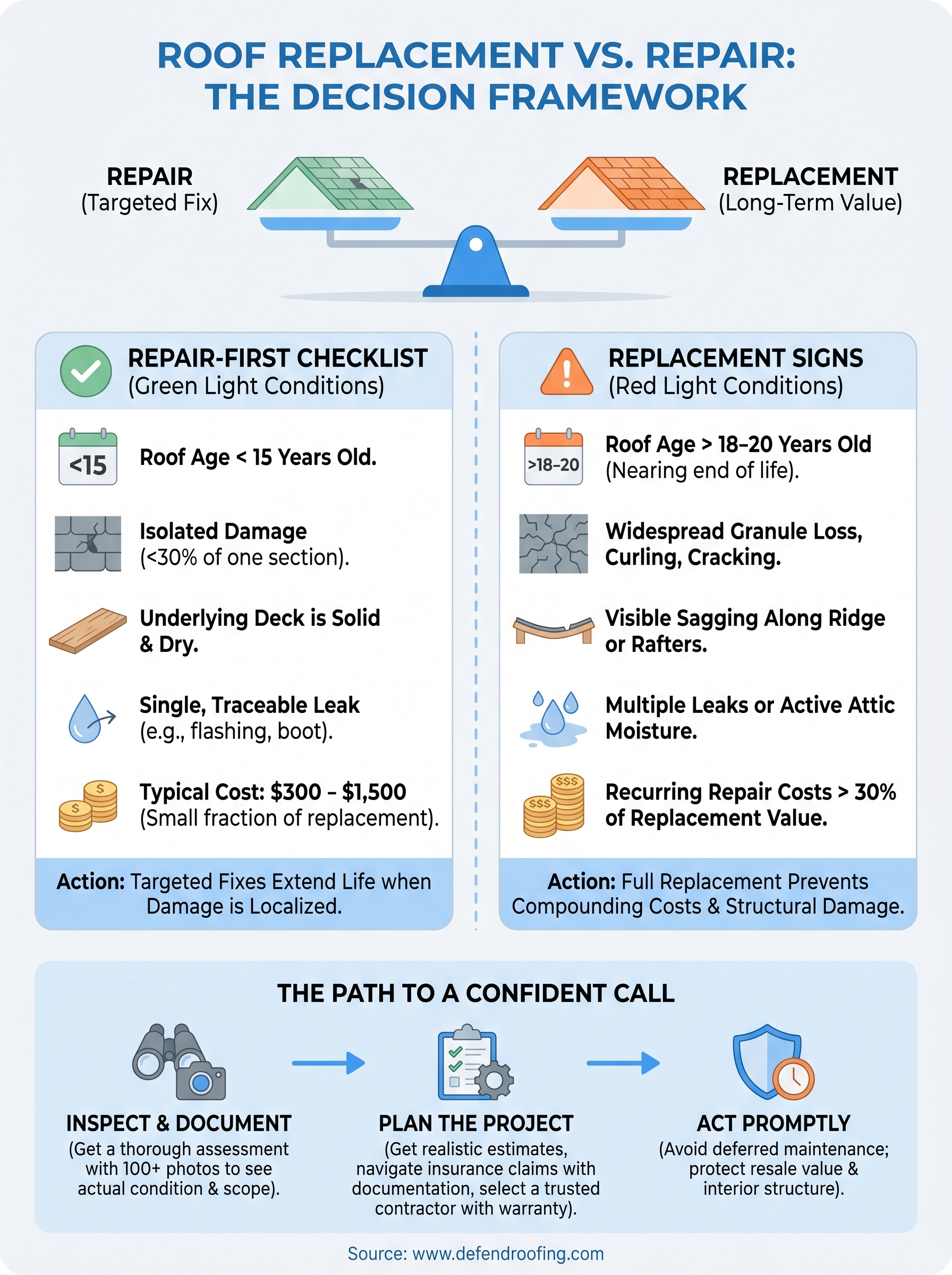
The roof replacement vs repair decision becomes straightforward once you have accurate information in front of you. Your roof's age, the extent of visible damage, and the condition of the deck beneath your shingles are the three factors that carry the most weight. When all three point in the same direction, your path is clear. When they conflict, the honest answer usually lies in a detailed, documented inspection from a contractor who will show you the evidence rather than just hand you a number.
You don't need to figure this out alone. Defend Roofing provides every Central Texas homeowner with 100+ photo assessments and straight answers about what your roof actually needs, with no pressure toward work you don't need. Chris and Greyson Buster built this company on that standard, and it shows in every job. Schedule your roof assessment today and get a clear picture before you spend a dollar.