Learn what is a roof inspection, what professionals check, and average costs. See how regular assessments prevent leaks and help with insurance claims.
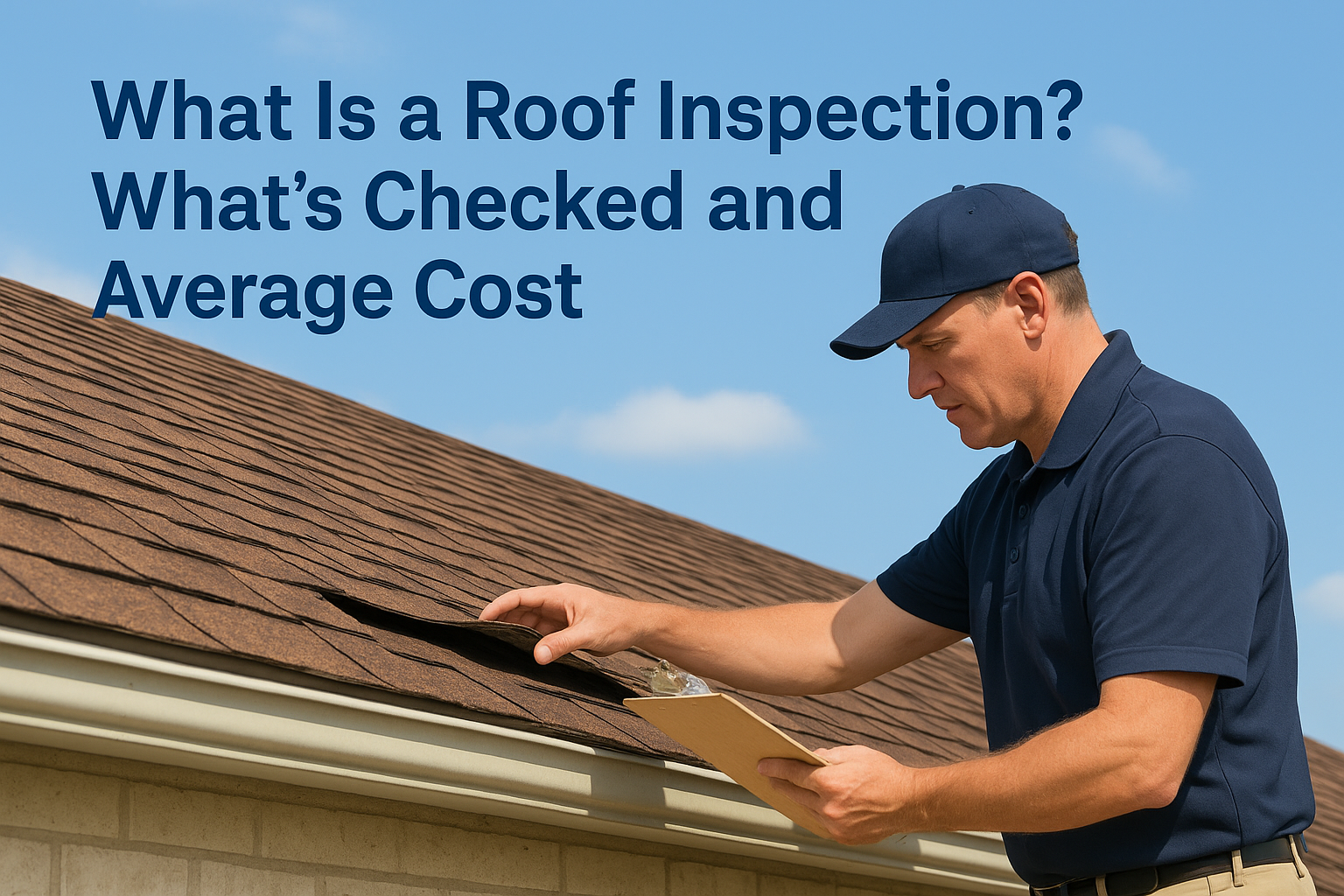
If you've never had your roof professionally evaluated, you've probably wondered what is a roof inspection and whether it's worth the time and money. It's a fair question, especially when your roof looks fine from the ground. But what's visible from your driveway and what's actually happening on your roof are often two very different things.
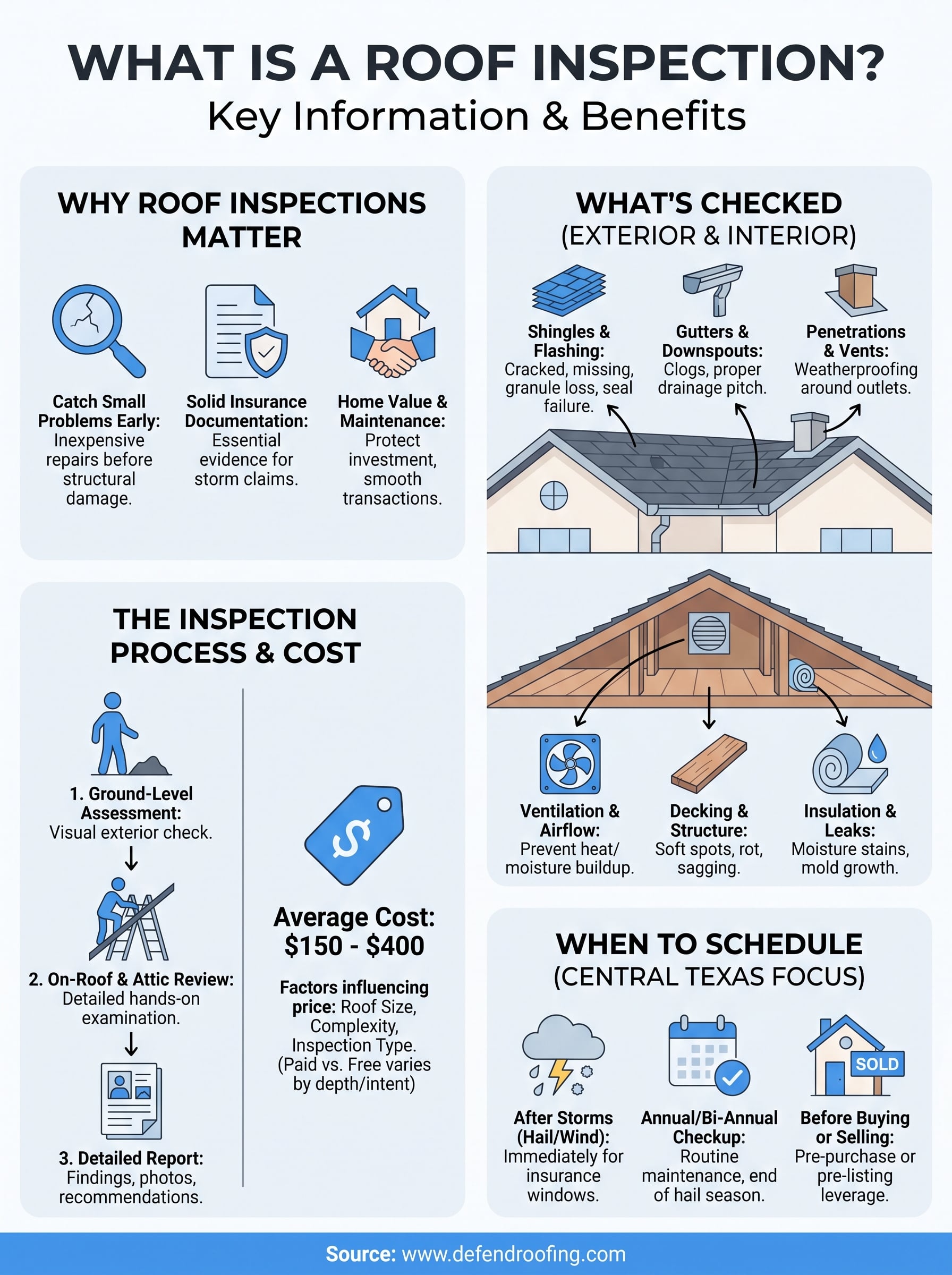
A roof inspection is a systematic evaluation of your roof's condition, covering everything from shingles and flashing to gutters, ventilation, and the underlying structure. It's how you catch small problems before they become expensive ones, and it's often required after storms, before buying or selling a home, or when filing an insurance claim for roof damage. At Defend Roofing, our assessments in the Austin area include 100+ photos documenting every detail, so you're never guessing about what's going on up there.
This article breaks down exactly what a roof inspection covers, how the process works, what inspectors are looking for, and how much you can expect to pay. Whether you're dealing with storm damage or just staying ahead of maintenance, you'll have a clear picture of what to expect before anyone sets foot on your roof.
Your roof handles everything Central Texas throws at it: intense summer heat, severe hail storms, and sudden heavy downpours. Most of that wear and damage builds up gradually, and by the time it shows up as a water stain on your ceiling, the problem has already been developing for months. Understanding what is a roof inspection and why it matters is the first step toward protecting one of the largest investments you'll ever make as a homeowner.
A small roof problem rarely stays small. A cracked shingle or a loose piece of flashing might seem minor, but water finds every gap, and once moisture works its way under your roofing material, it starts breaking down your decking, insulation, and eventually your ceiling framing and interior walls. A professional inspection catches these issues while they're still inexpensive to address, before they've grown into structural damage or a full roof replacement.
A single missed flashing failure can allow water to infiltrate your roof deck for months before you see any visible sign of damage inside your home.
The gap between a minor repair caught early and a major structural repair discovered too late can be thousands of dollars. Regular inspections also give you a clear, dated record of your roof's condition over time, which becomes important when you need to demonstrate that specific damage is storm-related rather than the result of long-term neglect.
When a hail storm or high winds move through your area, your insurance company will ask for evidence before approving a claim. Without a documented baseline of your roof's condition, it's difficult to prove when damage actually occurred or whether something was pre-existing. A professional inspection gives you exactly the kind of dated, photo-documented evidence that adjusters need when reviewing storm damage claims.
Central Texas sees multiple significant hail events in a given year, and the damage from each storm can look similar on the surface. When your inspector documents your roof's condition before and after a weather event, you have a clear record that holds up through the full claims process. That record protects you from disputes with your insurer and helps move your claim forward without unnecessary delays or back-and-forth.
Buyers and sellers both benefit from a professional roof inspection before a real estate transaction closes. Sellers who schedule a pre-listing inspection can identify and resolve problems before they appear in the buyer's home inspection report, which often becomes leverage for negotiating the sale price down. Buyers who skip this step risk taking ownership of a roof problem that could cost them significantly within the first few years of living in the home.
Even if you're not buying or selling, routine inspections are simply good home ownership practice. A professional assessment removes the guesswork, gives you a clear picture of what your roof actually needs, and helps you budget for repairs on your own timeline rather than scrambling after the next major storm forces your hand.
Part of understanding what is a roof inspection is knowing exactly what a qualified inspector looks at during the process. A thorough inspection covers far more than the shingles visible from the ground. Inspectors work through a detailed checklist that addresses every layer and component of your roofing system, from the outermost surface down to the structural supports underneath.
The most visible part of the inspection covers your shingles or roofing material. Inspectors look for cracked, curling, missing, or granule-depleted shingles, all of which signal wear or storm damage that needs attention before water gets involved. They also examine the flashing around chimneys, vents, skylights, and roof edges, since flashing failures are one of the most common entry points for water intrusion in residential roofing.
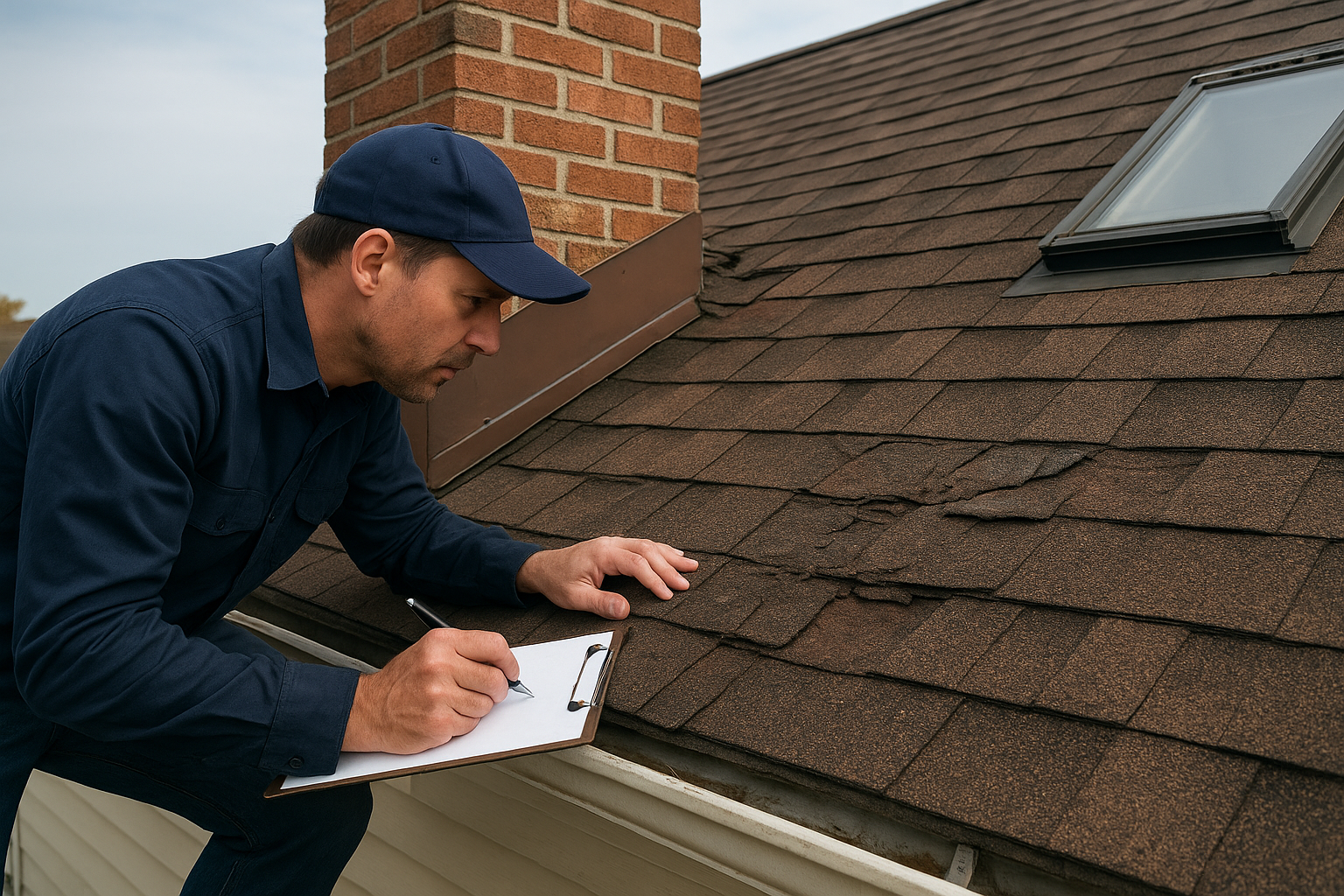
Your gutters and downspouts are part of this exterior review as well. Clogged or improperly pitched gutters can push water back toward your fascia and eventually into your roof structure. Proper drainage is a core part of protecting your roof's long-term performance, and it's an area homeowners frequently overlook between inspections.
Flashing failures around penetrations like chimneys and pipe boots are responsible for a significant share of roof leaks, yet they're easy to miss without a close-up, hands-on inspection.
Inspectors also assess your roof's ventilation system, which includes ridge vents, soffit vents, and any attic fans installed in the space below the roof deck. Poor ventilation traps heat and moisture in your attic, which accelerates shingle deterioration from the underside and can warp your roof decking over time without showing any external warning signs.
The decking itself, which is the plywood or OSB boards that form the structural base of your roof, gets checked for soft spots, rot, or areas with moisture damage. Structural sagging or uneven roof lines can point to deeper framing issues that go well beyond a shingle replacement. Identifying these problems while they're still isolated keeps your repair options open and your costs manageable.
Knowing what is a roof inspection is one thing; understanding how the process actually unfolds helps you prepare and know what to expect on the day. A professional inspection typically takes 60 to 90 minutes depending on the size and complexity of your roof, and it follows a structured sequence that moves from the ground up before finishing inside your attic.
Your inspector starts at ground level, walking the full perimeter of your home to get a complete visual picture of the roofline, drainage layout, and any obvious damage. This initial pass helps identify issues like missing shingles, sagging gutters, or storm debris still sitting on the roof before anyone climbs up.
From there, the inspector moves onto the roof surface itself, working methodically across every section. They check flashing, ridge caps, vents, and individual shingles up close, documenting each area with photos as they go. At Defend Roofing, that documentation process produces 100+ images so you have clear, dated visual evidence of exactly what was found and where.
A thorough on-roof inspection covers areas completely invisible from the ground, which is why ground-level assessments alone are not sufficient for insurance or pre-purchase purposes.
After the exterior portion wraps up, your inspector moves inside to assess the attic and any interior spaces that show signs of moisture or structural movement. Attic inspections reveal ventilation problems, water staining on the decking, and insulation issues that the exterior inspection cannot confirm on its own.
Inspectors look specifically for daylight gaps, mold growth, or sagging decking boards that indicate chronic moisture exposure. Finding these issues during the inspection rather than after a ceiling failure gives you time to address them on your own schedule.
Once the inspection is complete, you receive a detailed written report that includes photos, findings, and clear recommendations organized by priority. A well-prepared report separates minor maintenance items from urgent repairs so you know exactly where to focus first.
Good reports typically cover:
Understanding what is a roof inspection also means knowing what it costs and why. In most parts of the country, a professional roof inspection runs between $150 and $400 for a standard residential home. In Central Texas, that range holds fairly consistent, though the final price depends on several variables tied to your specific property and what the inspection actually covers.
Your roof's size and complexity are the two biggest cost drivers. A simple single-story home with a low-pitched roof takes less time and carries less risk for the inspector than a multi-story home with steep slopes, multiple penetrations, or dormers. Each of those added features requires more time on the roof and, in turn, pushes the total cost higher.
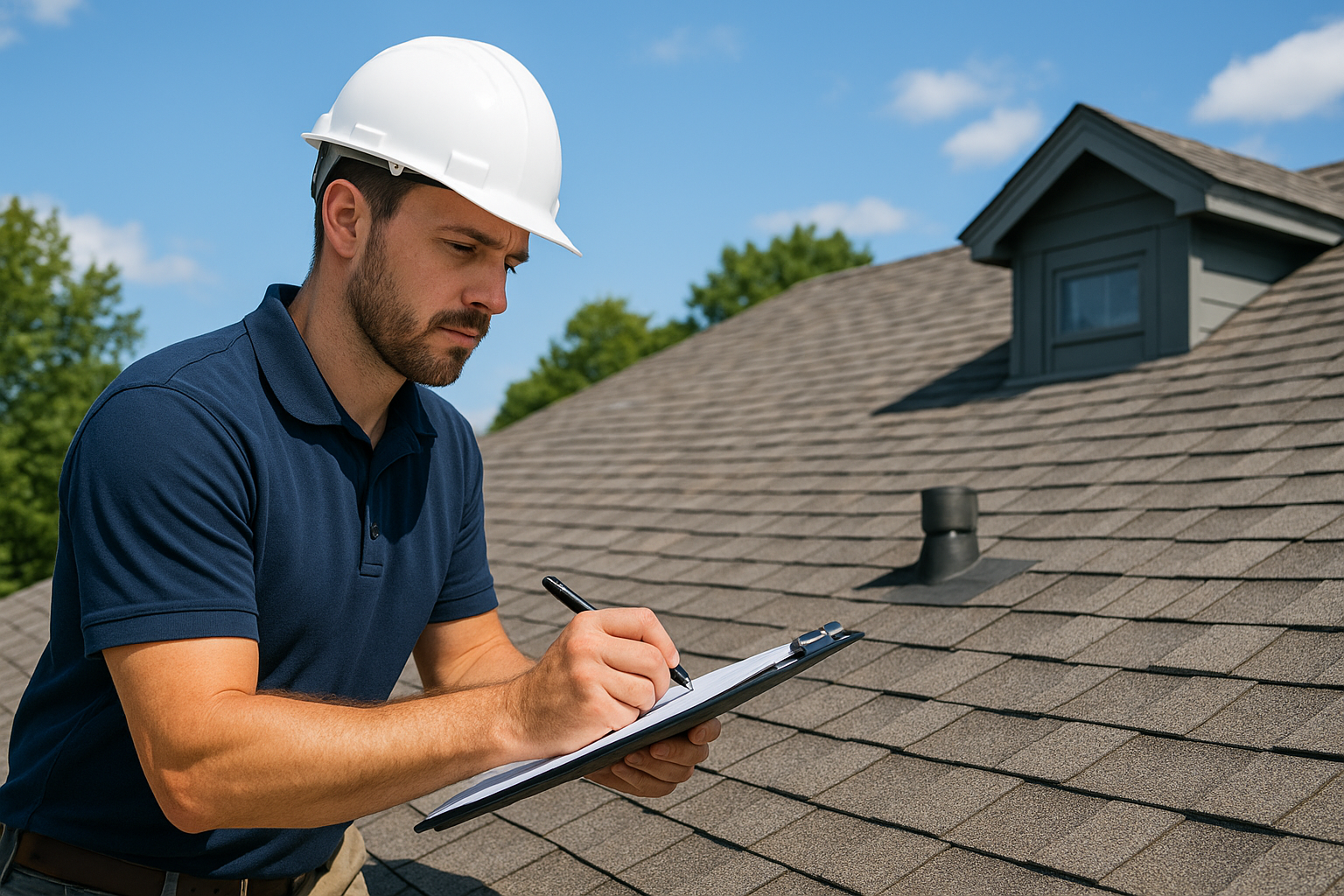
A more complex roof doesn't just cost more to inspect because it takes longer. It also carries more potential failure points, which is exactly why a thorough inspection on a complicated roof is worth every dollar.
The type of inspection you need also affects the price. A basic visual assessment sits at the lower end of the range. Inspections that include detailed photo documentation, written reports broken out by repair priority, or drone-assisted imaging for hard-to-access areas typically cost more because they deliver significantly more usable evidence for insurance and planning purposes.
Some contractors offer free roof inspections, and it's worth understanding what you're actually getting. A free inspection can be a legitimate first look at your roof's condition, particularly after a storm when a contractor is already working in your neighborhood. The key question is whether the inspector's primary goal is an honest assessment or a sales conversation.
Paid inspections from a contractor with a transparent, documented process tend to produce more detailed and unbiased reports. At Defend Roofing, every assessment includes a full photo report with clear findings regardless of what the inspection reveals, so you get documentation you can rely on for insurance claims or future maintenance planning, not a report built around whether a sale follows.
Central Texas has some of the most demanding weather conditions for residential roofing in the country. Between spring hail storms, intense summer heat that regularly pushes past 100 degrees for weeks at a stretch, and periodic high-wind events, your roof takes a consistent beating throughout the year. Knowing when to schedule an inspection is just as important as understanding what is a roof inspection and what it covers.
Spring is the most active hail season in the Austin area, typically running from March through June. When a significant storm moves through your neighborhood, you should schedule an inspection within a few days, before your insurance claim window tightens and before any damaged material deteriorates further from subsequent rain. Hail damage to shingles is often subtle from the ground, showing up as small impact marks or granule loss that only a close-up, hands-on inspection can properly find and document.
Waiting weeks after a storm to schedule an inspection can complicate your insurance claim, since adjusters may question whether the damage occurred during the reported event or a later one.
If you're buying or selling a property, a roof inspection should happen before the deal closes. Sellers benefit from identifying and addressing problems before they appear in the buyer's home inspection report, which often becomes a negotiating point. Buyers protect themselves from inheriting repair costs they didn't account for when making their offer. Either way, a documented inspection report gives both parties a clear, factual record.
Even without a storm or a pending sale, scheduling an inspection once a year is the most reliable way to stay ahead of wear and maintenance needs. In Central Texas, the end of hail season in late summer is a practical time to get on the schedule, giving you a complete picture of your roof's condition before fall and winter arrive. If your roof is older than 15 years, two inspections per year is worth considering given how quickly UV exposure and summer heat degrade roofing materials in this climate.
Now that you understand what is a roof inspection and what the process covers, the next move is straightforward: find out where your roof actually stands before the next storm season or repair need forces the issue. A documented inspection gives you real information to make decisions with, whether that's filing an insurance claim, planning a budget for repairs, or confirming your roof still has years of life ahead. Most homeowners wait until there's a visible problem inside their home, and by then the repair costs are significantly higher than they would have been with early detection.
If your roof hasn't been professionally assessed in the last year, or if a recent storm moved through your area in Central Texas, scheduling an inspection now protects you from preventable costs down the road. The Defend Roofing team provides thorough, photo-documented assessments with honest recommendations. Schedule your roof inspection with Defend Roofing and get a clear picture of your roof's condition today.