See what drives the cost of replacement roof projects in Central Texas, with price tables by size and material, plus tips to get an accurate quote.
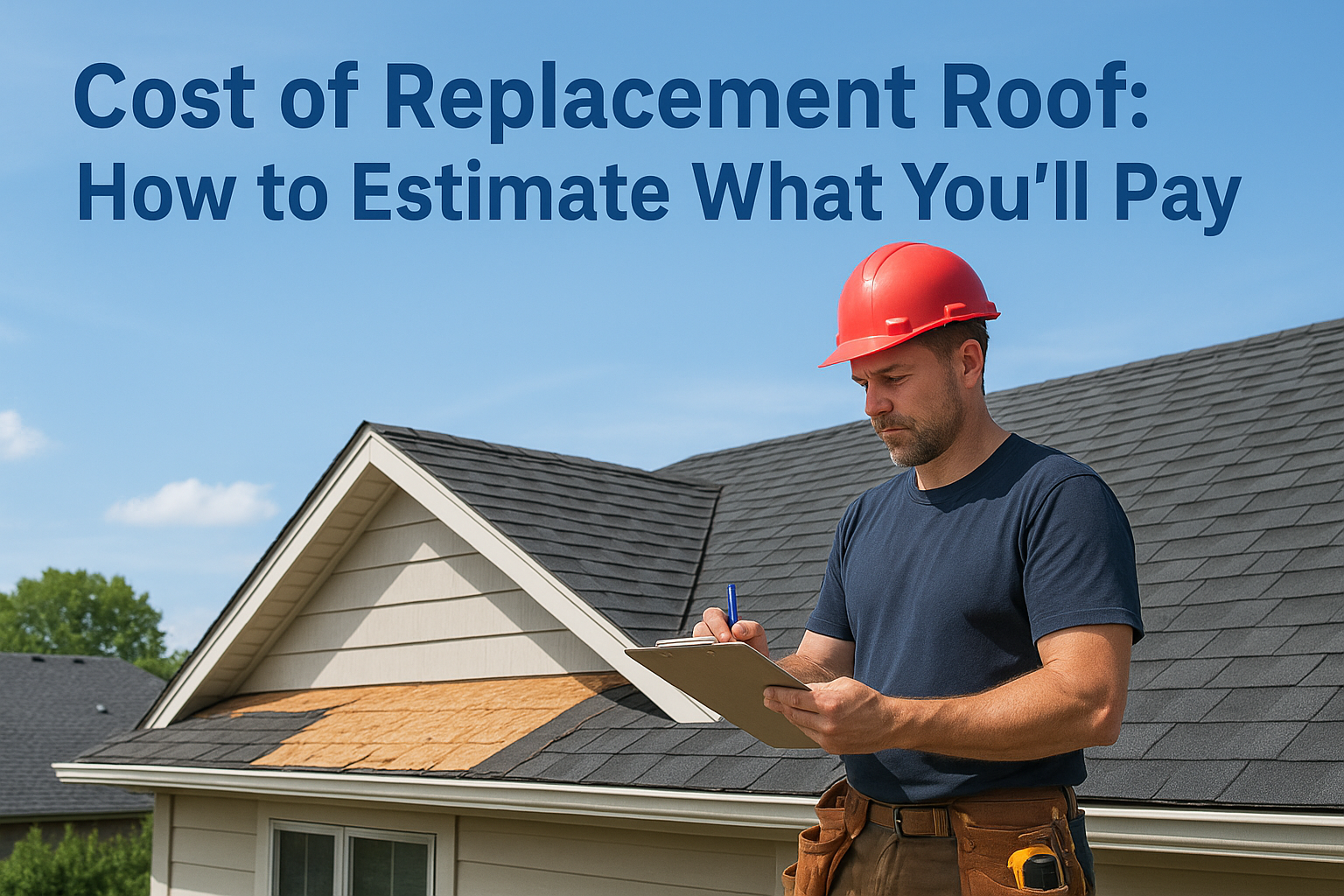
You need a real number before you commit to a roof replacement, not a vague range that leaves you guessing. The cost of replacement roof projects varies widely across Central Texas, from around $8,000 for a modest asphalt shingle job to well over $20,000 for larger homes or premium materials. Searching for a quick answer without walking through the actual variables usually leads to sticker shock or, worse, a lowball quote that skips corners.
The honest answer is that you calculate roof replacement cost by multiplying your roof's square footage by a per-square price that shifts based on material, pitch, tear-off complexity, and local labor rates in the Austin area. An asphalt roof replacement cost estimate looks nothing like a metal or tile quote, and two homes the same size can land thousands of dollars apart once you factor in decking repairs or steep slopes.
This article breaks down every factor that feeds into your roof replacement estimate, shows you how to run the numbers yourself, and explains what a fair, itemized quote from a Central Texas contractor should actually include.
Homeowners often ask why one neighbor pays $9,000 for a new roof while another writes a check for $22,000 on a house of similar size. The answer comes down to a handful of variables that stack on top of each other, and each one moves the final number more than most people expect. A roof replacement cost calculator you find online can give you a ballpark, but it can't account for your specific roof pitch, your decking condition, or what a Central Texas crew charges for a steep tear-off in August heat.
Material selection alone can double or triple your total. Standard three-tab asphalt shingles sit at the low end, architectural shingles cost more but last longer, and metal or tile roofing can run two to four times the price of asphalt per square. This single decision usually accounts for the widest gap between quotes, more than labor, permits, or add-ons combined.
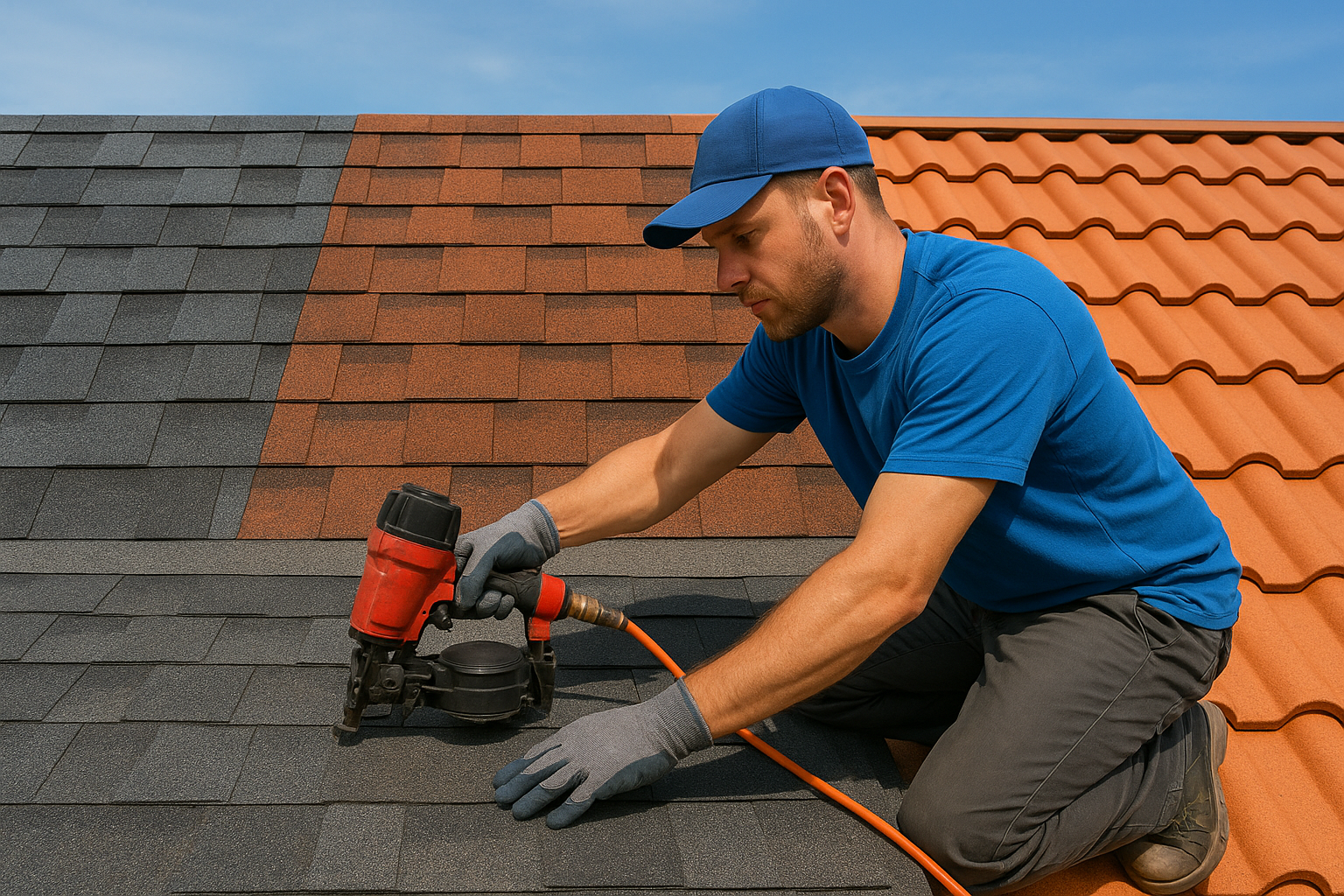
Material choice alone can swing your total by tens of thousands of dollars, more than any other single factor.
Square footage sets the baseline, but pitch and layout change how much labor that footage actually requires. A steep roof with multiple valleys, dormers, and chimneys takes longer to tear off and install than a simple gable roof of the same size, and contractors price that extra time and safety equipment into the cost estimate for roof replacement. Homes with complex rooflines in neighborhoods like Steiner Ranch or Avery Ranch often see 15 to 30 percent higher labor costs than a straightforward ranch-style layout.
Labor costs shift by market, and Austin-area rates differ from what you'd pay in a smaller Texas town. Permit fees, disposal costs for old shingles, and crew availability during storm season all factor into what a contractor charges per square. Demand spikes after major hailstorms, which temporarily pushes labor rates higher across the region.
Decking damage rarely shows up until the old roof comes off, and rotted or water-damaged plywood adds real cost to any job. A reputable contractor won't know the full scope until tear-off, which is why a written estimate should always include a per-sheet price for decking replacement. Skipping this line item is how homeowners end up with surprise change orders mid-project, and it's one reason a documented, photo-based inspection before work begins matters so much for an accurate estimate roof replacement cost.
Getting a real number starts with your roof's square footage, not your home's square footage. Roofers measure in "squares," where one square equals 100 square feet of roof surface, and that figure includes overhangs, valleys, and any pitch adjustment your home requires. Once you know your square count, you multiply it by a per-square price that reflects your chosen material and local labor rates. That's the core formula behind any roof replacement cost calculator, whether it's a free online tool or the math a Central Texas contractor runs before writing your quote.
Here's the simplest version of how to calculate roof replacement cost on your own:
Roof squares x price per square = base material and labor cost
Base cost + tear-off + decking repair + permits = total estimate
A 2,000 square foot single-story home with a moderate pitch typically runs 20 to 24 squares once you account for overhang and slope. Multiply that by a per-square price of $350 to $550 for asphalt, and you land in the $7,000 to $13,000 range before add-ons.
Your square count times your material's per-square price gives you a baseline, but tear-off, decking, and pitch complexity are what turn that baseline into a real quote.
A generic roof replacement estimate calculator can't climb onto your roof, measure your actual pitch, or spot soft decking under your shingles. Treat any online number as a starting point for budgeting conversations, not a final figure. The only way to nail down a true cost estimate roof replacement number is a physical inspection that documents your roof's actual condition, square footage, and structural issues before a contractor commits to a price.
Numbers help more than ranges once you're comparing quotes, so here's what actual Central Texas jobs tend to run. These figures assume a standard tear-off with no major decking repair, which means your real cost of roof replacement calculator result could land higher if your roof has hidden damage.
Square footage sets your floor, and here's roughly what homeowners pay across common home sizes with standard architectural shingles:
| Home Size (roof squares) | Approximate Range |
|---|---|
| 15-18 squares (small ranch) | $7,500 - $10,500 |
| 20-24 squares (average single-story) | $9,500 - $14,000 |
| 28-32 squares (larger two-story) | $13,000 - $18,500 |
| 35+ squares (large custom home) | $17,000 - $24,000+ |
Once you've got your square count, material choice determines where in the range you'll actually land. Per-square pricing below reflects installed cost, including labor:
| Material | Price per Square | 20-Square Home Total | |---|---| | 3-tab asphalt | $300 - $400 | $6,000 - $8,000 | | Architectural asphalt | $400 - $550 | $8,000 - $11,000 | | Metal (standing seam) | $900 - $1,400 | $18,000 - $28,000 | | Concrete or clay tile | $1,000 - $1,800 | $20,000 - $36,000 |
Overlapping ranges show why two homeowners with identical square footage can pay wildly different totals. Quality within a material category matters too: a premium architectural shingle from a top manufacturer costs more per bundle than a budget line, even though both fall under the same "asphalt" label.
A 20-square home can run anywhere from $6,000 to $36,000 depending purely on material, which is why size alone never tells the full story.
Steep pitches, multiple layers of tear-off, and complex rooflines push any of these figures toward the top of their range.
Beyond material and size, a handful of smaller details push your quote up or down, and knowing them ahead of time keeps surprises off your final invoice. Some of these you control, like timing your project outside peak storm season, and others depend on your home's existing condition, which only a thorough inspection reveals.
Certain conditions almost always add cost, no matter which contractor you hire:
The condition hiding under your old shingles matters more to your final price than almost any number you plug into a calculator.
A few factors work in your favor and can trim your total without cutting corners on quality:
Insurance claims deserve special mention here. If hail or wind caused the damage, a documented inspection with adjuster-ready photos often means your cost for roof replacement calculator math becomes almost irrelevant, since your deductible, not the full retail price, becomes your actual expense. That's why getting a professional assessment before you assume you're paying full price out of pocket matters, especially after a Central Texas hailstorm.
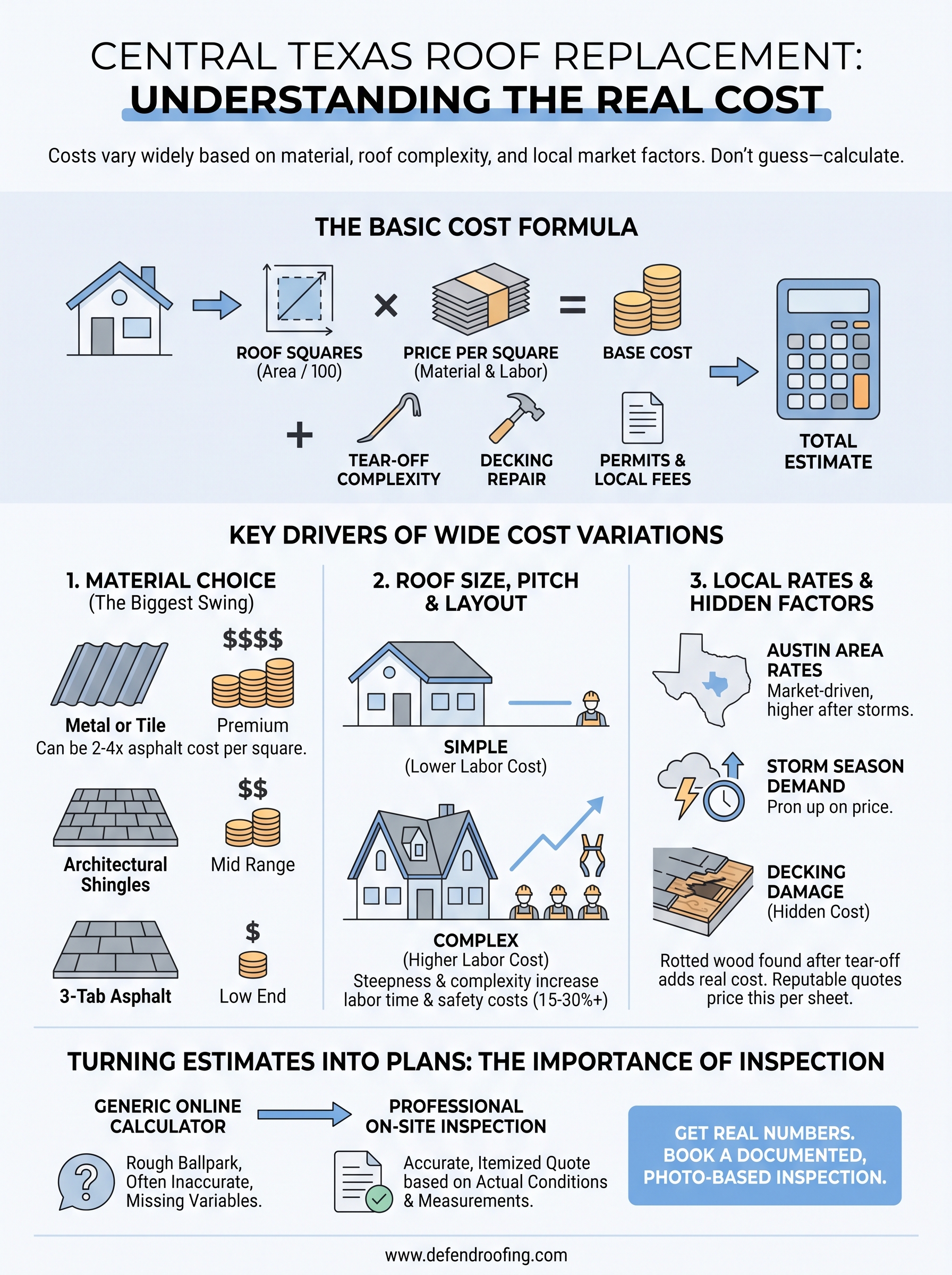
Running the numbers yourself gives you a realistic range, but a real number requires someone on your roof measuring pitch, checking decking, and counting layers of old shingles. The cost of replacement roof work depends on details a calculator simply can't see, and that's the gap between a rough budget and a quote you can actually act on.
Once you understand what drives your price up or down, you're in a much stronger position to spot a fair quote and question a vague one. Skip contractors who won't itemize material, labor, and decking costs separately, and be wary of anyone quoting a firm number before setting foot on your roof.
Greyson and Chris Buster build every quote from a documented, 100+ photo inspection, so you see exactly what you're paying for before you sign anything. Ready for real numbers on your home? Get an instant online quote and skip the guesswork.