Find the average cost to repair a roof in 2026. See price breakdowns by damage type and material, plus tips for navigating insurance claims and estimates.
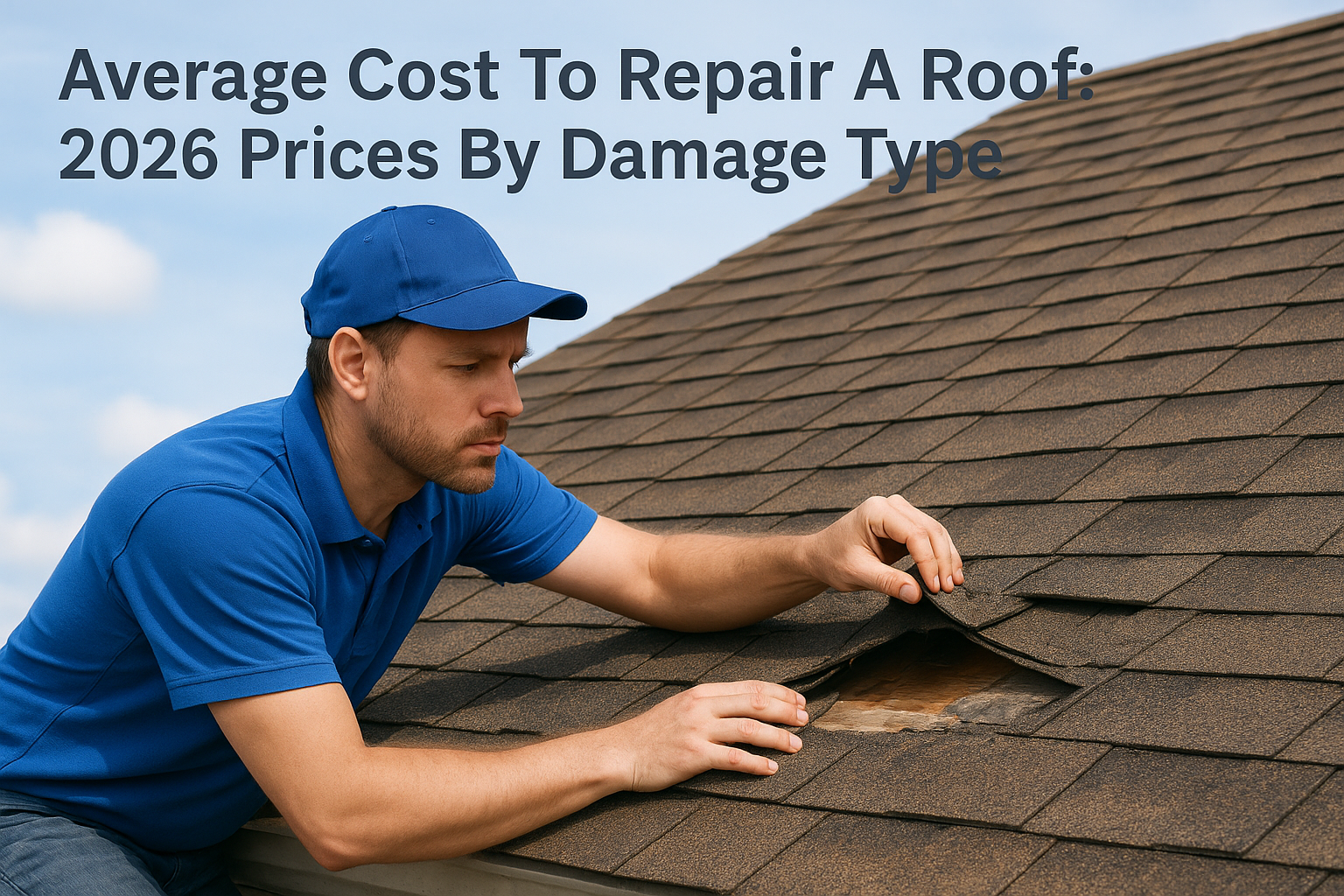
The average cost to repair a roof depends on what's actually wrong with it, and that range is wider than most homeowners expect. A few missing shingles might run you $200 to $500, while structural damage from a major storm can push well past $3,000. Without knowing the specific type and extent of damage, most online estimates aren't much help when you're staring at a water stain on your ceiling.
That's exactly why we built Defend Roofing around documentation and honest assessments. As a family-owned roofing contractor serving Central Texas, Chris and Greyson Buster have seen every type of roof damage the Austin-area weather can throw at a home. Every project starts with our 100+ photo Precision Roof Assessment, real evidence of what's damaged, what's still solid, and what actually needs fixing. We'd rather tell you a repair is all you need than push a full replacement you don't.
This guide breaks down 2026 roof repair costs by damage type, material, and scope of work. You'll find real price ranges for common repairs, the factors that shift those numbers up or down, and guidance on when a repair makes sense versus when replacement is the smarter investment. Whether you're dealing with a small leak or storm damage that needs an insurance claim, you'll leave with a clear picture of what to budget.
When you ask about the average cost to repair a roof, you're really asking about a dozen different variables that all affect the final number. Roofing isn't like replacing a window or painting a room, where the job is roughly the same every time. Two homes on the same street can have wildly different repair costs for what looks like similar damage, and understanding those differences helps you evaluate any estimate you receive and spot bids that are either cutting corners or padding the price.
The single biggest driver of repair cost is what's actually wrong with your roof and how far that damage has spread. A handful of cracked shingles is a straightforward fix. But if water has been sitting under those shingles for months, you may be dealing with damaged decking, rotted sheathing, or compromised insulation underneath. What looked like a surface-level problem becomes a multi-layer repair that takes more time, more materials, and more labor.
The longer a small leak goes unaddressed, the more it tends to cost to fix. Early repairs almost always come in well below emergency repairs.
Your roof's physical characteristics directly affect how long a repair takes and how safely the crew can do the work. A steep pitch requires additional safety equipment and slower, more deliberate movement, which adds to labor time. A large roof means more area to inspect, more material to source, and more hours on the job overall. Accessibility matters too: a single-story ranch home is faster and easier to work on than a multi-story house with complex angles, valleys, and tight eave clearances.
Not all roofing materials cost the same to repair. Asphalt shingles are the most common and least expensive to source and install in Central Texas. Metal, tile, and slate all require specialized skills and materials that carry a higher price tag. On top of material differences, local labor rates in the Austin area reflect sustained market demand. Skilled roofing crews here command higher wages than in less competitive markets, and that cost flows through to your repair estimate regardless of damage type.
Repair cost also depends on who you hire and what they actually do during the job. A contractor who charges less but skips proper underlayment or uses mismatched shingles is setting you up for a larger repair bill in a few years. A thorough assessment that documents the full extent of damage before work begins helps you avoid paying twice for the same problem because the first repair didn't address what was actually causing it.
Knowing the average cost to repair a roof starts with identifying the specific type of damage you're dealing with. The table below gives you a solid starting point for the most common repair scenarios we see on Central Texas homes.

| Damage Type | Typical Cost Range |
|---|---|
| Missing or cracked shingles | $200 - $500 |
| Flashing repair (chimney, vents, skylights) | $300 - $600 |
| Minor roof leak | $400 - $800 |
| Damaged decking or sheathing | $800 - $2,000 |
| Valley or ridge repair | $500 - $1,500 |
| Major structural damage | $1,500 - $3,500+ |
Replacing a small section of missing or cracked shingles is one of the most common repairs we handle in the Austin area, particularly after hail or high winds. Most of these jobs fall in the $200 to $600 range, though that number shifts depending on shingle count and whether the underlayment beneath them needs attention. Flashing repairs around chimneys, pipe boots, and skylights sit in a similar range. Improperly sealed flashing is one of the more common sources of leaks that homeowners miss until water damage shows up on an interior ceiling.
Once water reaches your decking or structural framing, repair costs climb fast. Localized sheathing replacement runs $800 to $2,000 for a contained area, and larger sections of storm-related structural damage can push well past $3,500 depending on scope. These repairs carry real urgency.
Every week water sits against wood framing or insulation, the damage grows and the repair cost follows.
Material choice and roof design both influence the average cost to repair a roof more than most homeowners realize. A repair that takes a few hours on an asphalt shingle roof can take twice as long on tile or metal, simply because those materials require different fastening methods, more careful handling, and harder-to-source components.
Your roof's material sets the floor for what any repair will cost. Asphalt shingles remain the most affordable option to fix in Central Texas because the materials are readily available and most roofing crews work with them daily. Specialty materials like tile and metal require more skill and sourcing time, which drives up both labor and material costs.
Matching replacement shingles to your existing roof matters more than most homeowners expect. An experienced contractor will source the closest match to avoid visible patchwork that affects your home's appearance and resale value.
| Roof Material | Repair Cost Multiplier vs. Asphalt |
|---|---|
| Asphalt shingles | Baseline |
| Metal (standing seam or corrugated) | 1.5x to 2x |
| Concrete or clay tile | 2x to 3x |
| Slate | 3x to 4x+ |
Beyond material, the shape and complexity of your roof determines how accessible the damaged area is and how long a crew spends on it. A simple gable roof with a moderate pitch is the fastest and safest to work on. Multi-peak designs with multiple valleys, hips, and dormers create more potential leak points and make repairs more labor-intensive because each transition requires precise flashing and sealing.
Flat or low-slope roofs common on some Texas homes use different waterproofing systems than pitched roofs, and repairs to those membranes require specialized materials and application methods that push costs higher than a standard shingle repair.
The average cost to repair a roof after a storm can drop significantly if your homeowners insurance covers the damage. In Central Texas, hail and wind are the two most common causes of storm-related roof claims, and understanding how your policy actually responds to each will help you approach the process with clear expectations rather than frustration.
Document damage as soon as it's safe to do so after a storm. Delayed documentation gives adjusters room to attribute damage to wear and age rather than the specific weather event.
Most standard homeowners policies cover sudden storm damage caused by wind, hail, and falling debris. That includes shingle loss, impact damage, and flashing failures tied directly to a weather event. What policies generally don't cover is damage that developed from long-term neglect or deferred maintenance, even if a storm made it visibly worse. Adjusters are trained to separate storm-caused damage from pre-existing conditions, and that distinction can significantly affect what your policy pays out.
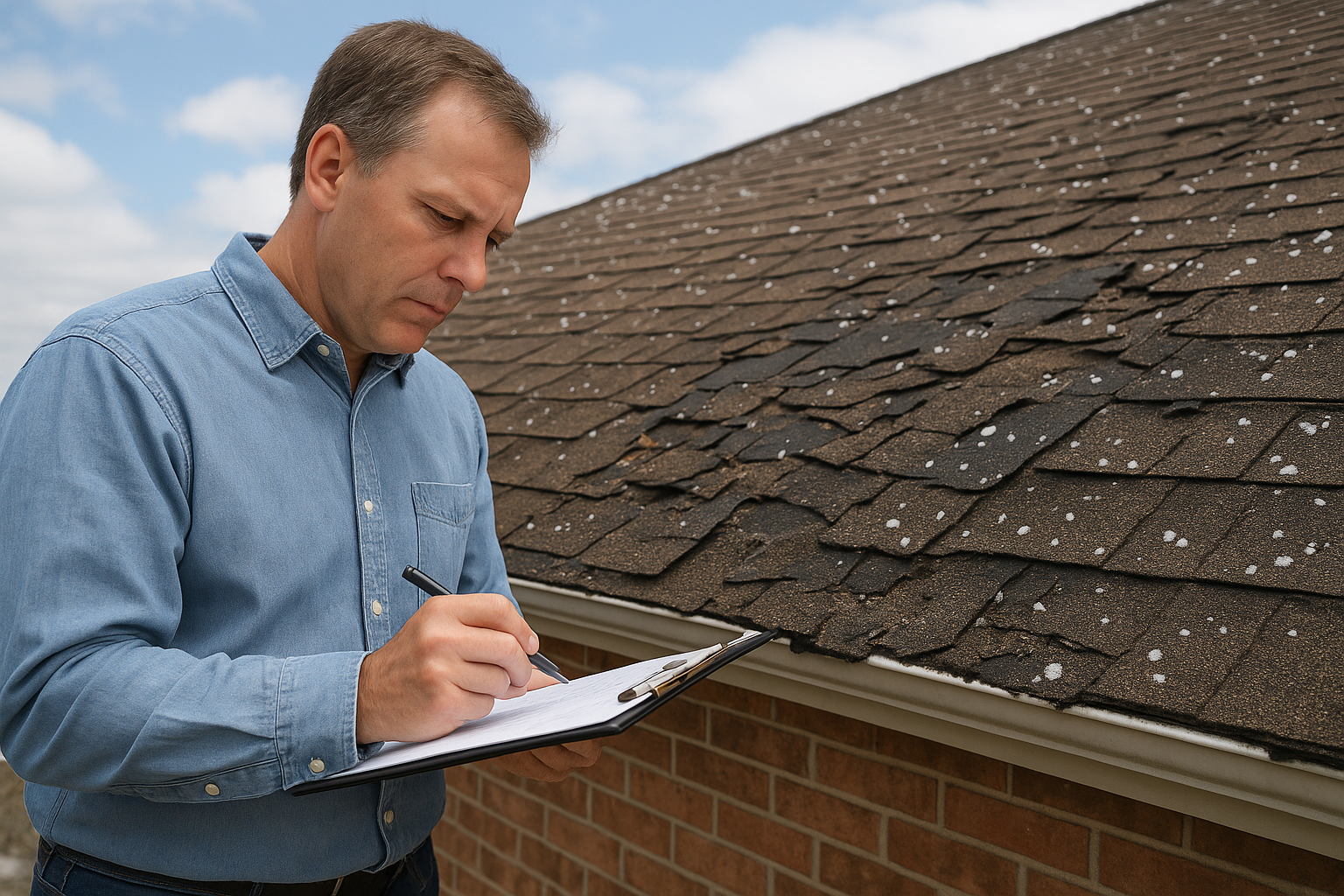
Your deductible structure matters more than most homeowners realize. Some Texas policies carry a separate wind and hail deductible calculated as a percentage of your home's insured value rather than a flat dollar amount. A 2% deductible on a $400,000 home is $8,000, which changes whether filing a claim makes financial sense depending on the repair scope.
When an adjuster visits, bring your own documentation to the table. At Defend Roofing, every assessment includes 100+ photos showing the type, location, and extent of damage in detail. That level of evidence gives adjusters clear material to work from and reduces the chances of damage being missed or undervalued during the inspection.
Having a roofing contractor present when the adjuster walks your roof is one of the most practical steps you can take. A contractor who knows what storm damage actually looks like can point out impact patterns, granule displacement, and flashing failures that a non-roofing professional might overlook.
Getting an accurate picture of the average cost to repair a roof starts before any contractor sets foot on your property. The quality of an estimate depends entirely on how thoroughly the roof was inspected, and an estimate based on a quick visual from the ground is worth very little when it comes time to write a check.
A reliable roof repair estimate should give you more than a dollar figure. Every line item should correspond to specific damage the contractor physically inspected and documented. If a contractor can't explain why a particular repair is on the scope, that's a problem. Ask for the following before you agree to any work:
An estimate without documentation is really just a guess. Photos and a written scope protect you if disputes arise and give you a clear record of what was repaired and why.
Some contractor behaviors signal that the estimate you're holding isn't worth the paper it's printed on. A contractor who pressures you to sign the same day, quotes a price before inspecting the roof in detail, or offers a dramatically lower number than every other bid is telling you something about how they approach the work.
Getting at least two or three estimates from contractors who provide written documentation lets you compare scope, not just price. If one contractor lists flashing replacement and another skips it entirely for similar damage, that gap explains the price difference and tells you which contractor actually found the problem.

The average cost to repair a roof is only useful information once you know exactly what you're dealing with. Guessing based on a ceiling stain or a missing shingle you spotted from the driveway leaves too much room for surprise costs later. Your best next move is a documented assessment from a contractor who will get on your roof, photograph what they find, and give you a written scope before asking you to commit to anything.
At Defend Roofing, that's exactly how every project starts. Chris and Greyson Buster built this company around honest assessments and clear documentation, not upsells and pressure tactics. Whether you have visible damage after a storm or just want to know what condition your roof is actually in, we'll give you straight answers backed by photos. Schedule your Precision Roof Assessment and leave the guesswork behind.