Learn what a roofing contractor workmanship warranty covers, typical lengths, and how to avoid paying for installation errors. Protect your investment.
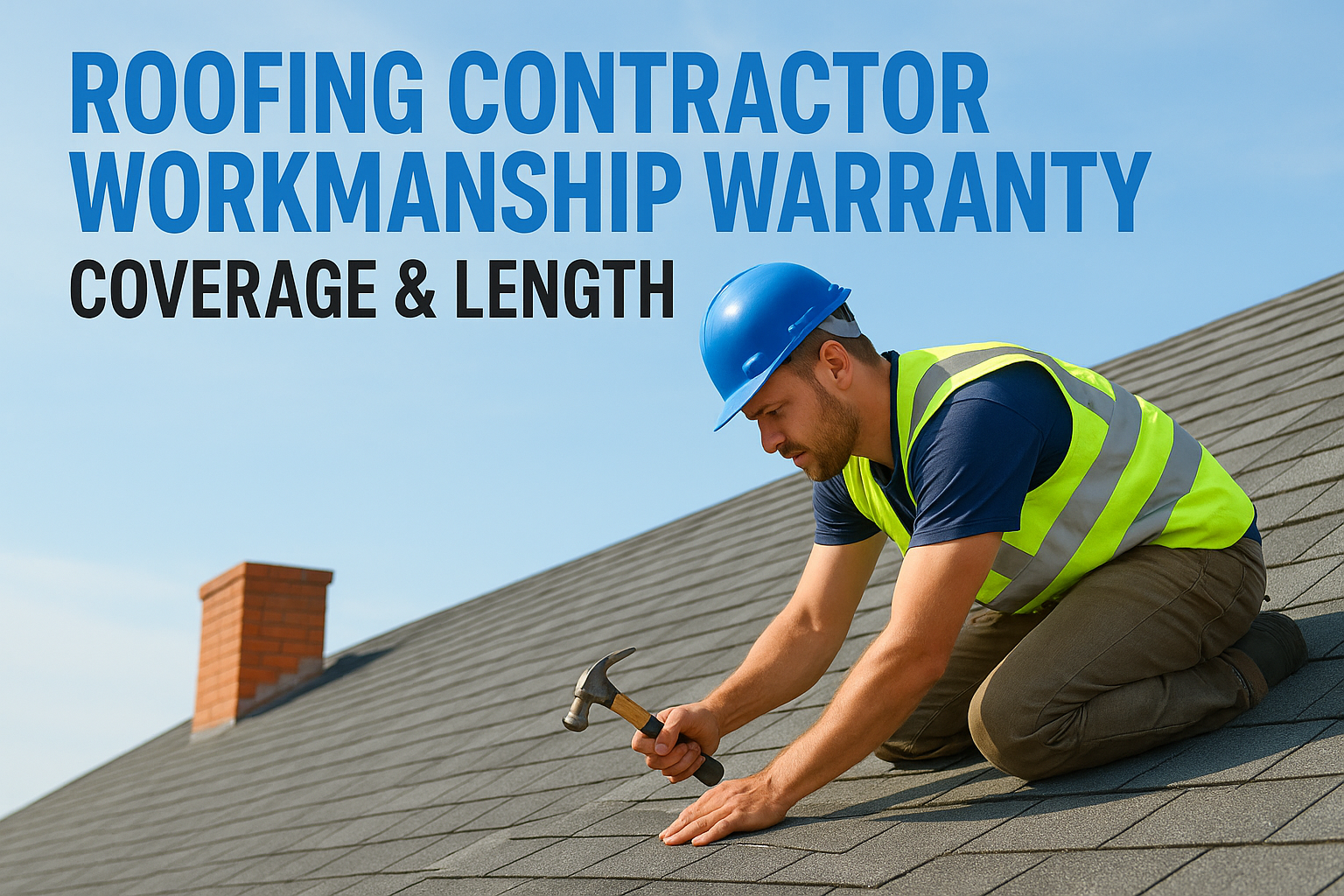
You just paid thousands for a new roof. Six months later, a leak shows up at a flashing point. The shingles are fine, the problem is how they were installed. This is exactly where a roofing contractor workmanship warranty steps in, and understanding what it actually covers can save you from eating the cost of someone else's mistake.
Most homeowners know their roofing materials come with a manufacturer warranty. Fewer realize that a separate warranty, the workmanship warranty, covers the labor and installation side of the equation. These two warranties protect different things, and the gap between them is where disputes and unexpected bills tend to land. Knowing the difference matters before you sign a contract, not after a problem appears.
At Defend Roofing, we back every installation with a Limited Lifetime Workmanship Warranty because three generations of roofing experience have taught us that materials only perform as well as the hands that install them. Chris and Greyson Buster built this company on transparency and accountability, and a strong warranty is one of the most concrete ways to prove both.
This article breaks down what a workmanship warranty covers, how long these warranties typically last, what separates a solid guarantee from a hollow promise, and how to evaluate the warranty language before you hire a roofing contractor.
A roofing contractor workmanship warranty protects you specifically from costs tied to installation errors. Manufacturer warranties cover shingles, underlayment, and other components when the products themselves fail. Neither does anything for you when a roofer improperly seals a flashing joint, skips a nail pattern, or fails to overlap underlayment correctly. Without a workmanship warranty in writing, you absorb the full repair cost of fixing someone else's mistake.
Most roof failures that appear within the first few years of a new installation trace back to installation errors rather than defective materials. A misaligned drip edge, an improperly seated ridge cap, or insufficient fastener penetration at the eaves can all cause water intrusion that looks, on the surface, like a shingle problem. When a contractor carries a legitimate workmanship warranty, they are contractually obligated to return and correct those errors at no cost to you.
A manufacturer will not cover a leak caused by poor installation. That repair falls entirely on the contractor unless a workmanship warranty is already in place.
Without a workmanship warranty, you are responsible for all repair costs the moment a problem tied to installation shows up. This matters especially in Central Texas, where heat cycles, high winds, and hail seasons test new roofs quickly and consistently. A contractor who stands behind their work with a written, enforceable warranty signals real confidence in their installation quality.
The warranty conversation should happen before you sign any contract. Asking for warranty terms upfront tells you immediately whether a contractor takes quality seriously or treats the job as a transaction they want to walk away from. A clear, documented guarantee is one of the most direct ways to compare contractor accountability when evaluating competing bids.
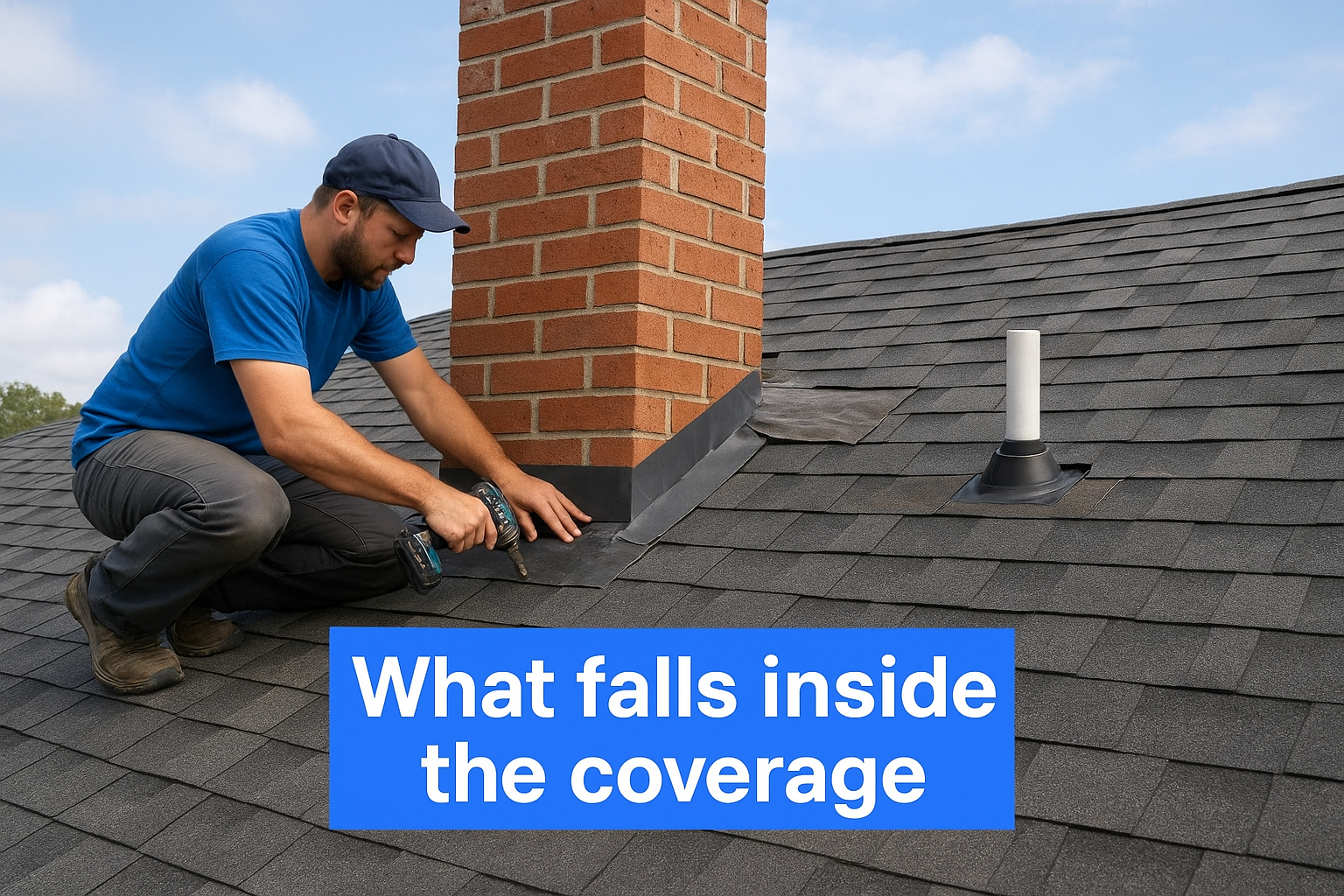
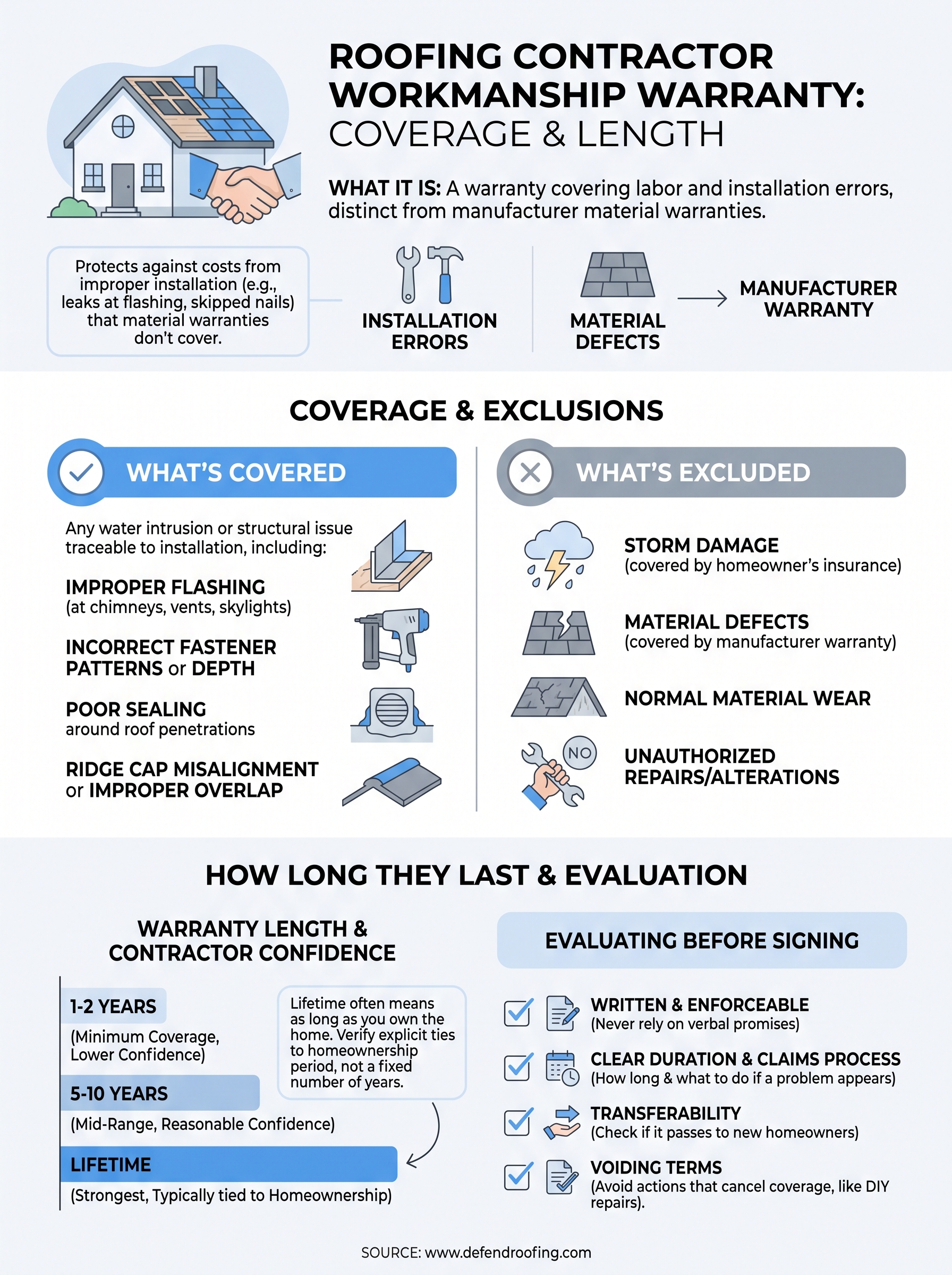
A roofing contractor workmanship warranty covers defects that result directly from how your roof was installed, not from what it was built with. Think flashing failures, improper sealing around vents, or incorrect underlayment overlaps. These are labor errors, and a workmanship warranty is the only protection that addresses them.
Coverage typically includes any water intrusion or structural issue that traces back to the installation process. Common covered items include:
Workmanship warranties do not cover storm damage, normal material wear, or manufacturer defects. Those fall under your homeowner's insurance or your manufacturer warranty, respectively.
Understanding the line between workmanship and material coverage tells you exactly where to turn when a problem appears.
A clear contract should spell out exactly where workmanship coverage ends so you know which claim to file and with whom when something goes wrong.
Workmanship warranty length varies widely by contractor. Some offer one to two years, the minimum you'll find in the industry. Others provide ten, twenty-five, or lifetime coverage. That range directly signals how confident a contractor is in their installation quality.
Most standard roofing workmanship warranties fall between one and ten years. Where a contractor lands on that range often reflects how seriously they take installation quality and long-term accountability.
Common warranty tiers in the industry look like this:
The shorter the workmanship warranty, the narrower the window a contractor has agreed to remain accountable for their work.
A lifetime workmanship warranty typically means coverage for as long as you own the home. Defend Roofing's Limited Lifetime Workmanship Warranty works exactly this way: if an installation defect appears while you own the property, we return and fix it.
Read the fine print on any roofing contractor workmanship warranty labeled "lifetime." Some contractors apply that term to a fixed 25-year period, which is meaningfully different. Confirm the coverage explicitly ties to your homeownership period, not a number with a different label attached.
A manufacturer warranty and a roofing contractor workmanship warranty protect completely different things. Treating them as interchangeable is a mistake that leaves real gaps in your coverage. Understanding how they split responsibility tells you exactly which document to pull when a problem surfaces.
Manufacturer warranties cover material defects in the shingles, underlayment, or other components that fail due to product performance. If a shingle delaminates or an underlayment tears under normal conditions, the manufacturer is responsible for replacement materials. These warranties run anywhere from 25 years to lifetime on the product itself, but they explicitly exclude any failures tied to installation errors.
Manufacturer warranties protect the product. Workmanship warranties protect the process. You need both active at the same time.
When you receive a roofing contract, ask for both the manufacturer warranty documentation and the contractor workmanship warranty terms before you sign. Look at three things: what each warranty covers, how long each term runs, and what actions void the coverage. A gap between the two, for example a contractor warranty that expires in two years while your manufacturer warranty runs 30, leaves you exposed to labor-related repair costs that neither document addresses.
Before you agree to anything, read the actual warranty document, not just a verbal summary from a salesperson. A legitimate roofing contractor workmanship warranty will name specific covered defects, define the coverage period clearly, and spell out the claims process in writing. Vague language like "we stand behind our work" carries no legal weight without documented terms you can actually enforce after the crew leaves your property.
Ask the contractor three direct questions before you sign: How long does the workmanship warranty last? Does the coverage period tie to your homeownership or a fixed number of years? And what is the specific claims process if a defect appears? A contractor who hesitates or gives vague answers on any of these points is telling you something important about how seriously they take accountability.
A contractor confident in their installation quality will hand you clear warranty terms without hesitation.
Check whether specific actions automatically cancel your warranty. Making repairs yourself or hiring a different contractor for future maintenance often voids coverage entirely. Also verify whether the warranty is transferable if you sell the home, since transferable workmanship coverage adds measurable value to your property during a future buyer's inspection process.
A roofing contractor workmanship warranty is not a bonus feature, it is a baseline requirement for any installation you pay for. Before you hire anyone, confirm the warranty terms are in writing, clearly defined, and tied to your homeownership period. Verbal promises disappear the moment a crew drives away.
Defend Roofing backs every installation with a Limited Lifetime Workmanship Warranty because Chris and Greyson Buster built this company on the principle that accountability does not end when the job does. You deserve a contractor who commits to their work long after the last nail is set.
Your next move is straightforward: get the details in front of you before anything else. Request a free roof assessment or contact our team and we will walk you through our warranty terms, our full process, and exactly what your roof needs to stay protected for years ahead.