Learn what a roof inspection service covers, what it costs ($0-$400), and how photo-backed reports help you choose repair vs. replace.
You know your roof needs a look, but hiring a roof inspection service feels like a gamble. Some companies charge $75, others do it free, and you have no idea what separates a thorough inspection from a five-minute walk-around aimed at finding an excuse to sell you a new roof. That uncertainty is exactly what keeps homeowners in Cedar Park, Leander, and Steiner Ranch putting off an inspection until a leak forces the issue.
Here's the direct answer: a legitimate inspection should include a full walk of the roof surface, attic and ventilation checks, flashing and gutter review, and photo documentation you actually get to keep. Pricing typically ranges from free storm assessments to $150-$400 for detailed, adjuster-ready reports, depending on roof size and what's included. The gap between a rushed sales pitch and real diagnostic work usually shows up in the documentation and the honesty of the recommendation.
This article breaks down what should be on every inspection checklist, how pricing actually works, and the red flags that signal a contractor is inspecting your roof to find business rather than find the truth. We'll also cover insurance claim support and how a proper assessment protects you before you sign anything.
A roof inspection matters because small problems on a roof rarely stay small. A lifted shingle, a cracked pipe boot, or a hairline crack in flashing sealant looks harmless from the ground, but water finds every gap eventually. By the time you see a stain on your ceiling, the leak has usually been active for weeks or months, and the damage has spread into decking, insulation, and sometimes drywall. A roof inspection service catches these issues while they're still a $200 repair instead of a $12,000 replacement.
An inspection is cheap insurance against a problem that gets more expensive every day you ignore it.
Beyond visible wear, an inspector checks places homeowners never think to look, like attic ventilation, valley flashing, and the underside of the roof deck. Central Texas hailstorms and high winds cause bruising and granule loss that's invisible from your driveway but shows up clearly under a trained eye or on a drone photo. Checking a roof after a hailstorm within a few weeks of the weather event also matters for timing, since insurance policies typically require you to file within a set window after the storm.
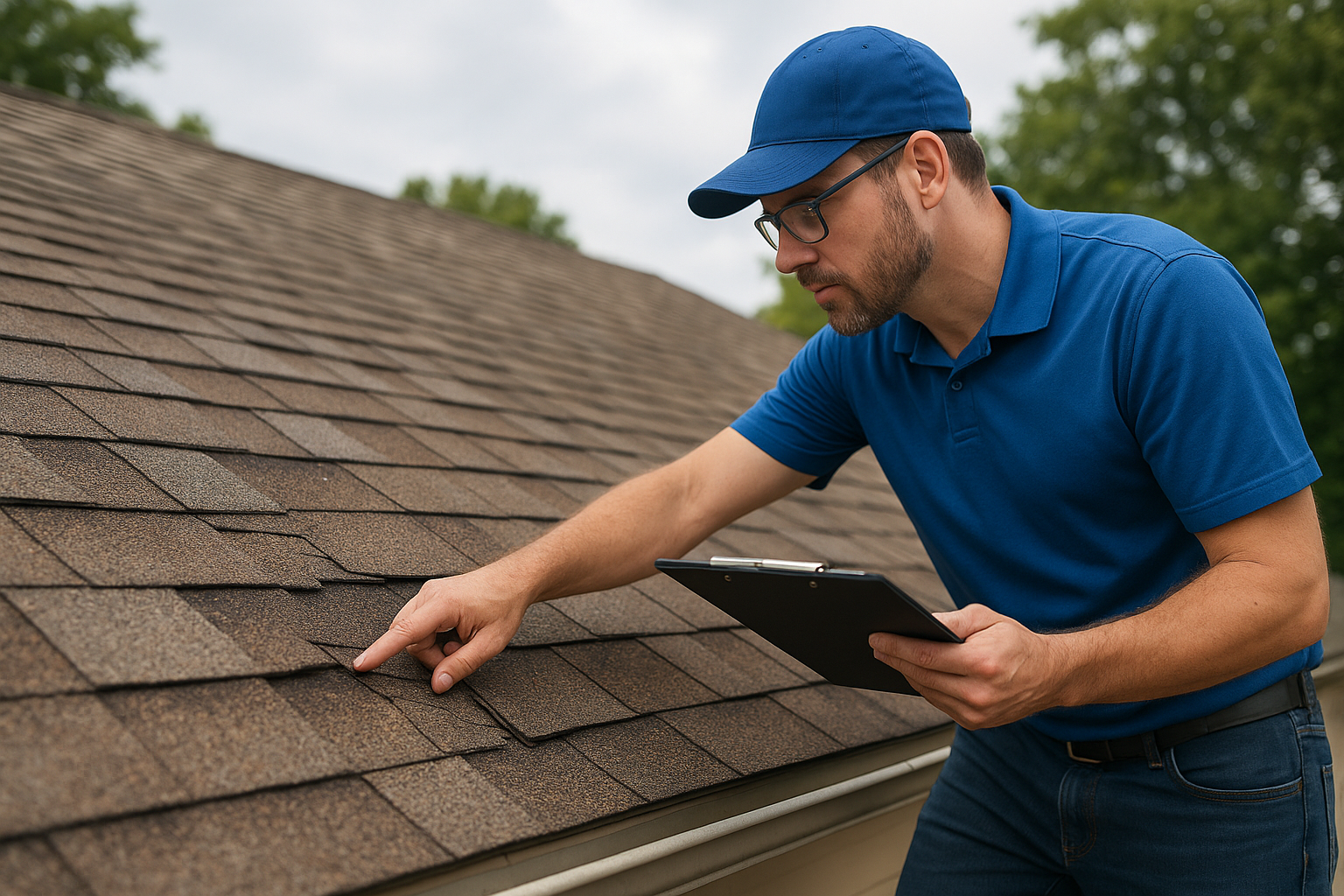
Documentation is where a real inspection earns its cost. Adjusters approve or deny claims based on evidence, not verbal descriptions, and a homeowner walking the roof alone rarely captures what an adjuster needs to see. A thorough report with dated, timestamped photos gives you leverage instead of leaving your claim to the adjuster's five-minute look, which is exactly what a roof inspection for an insurance claim has to produce. This is the same reason Defend Roofing builds a 100+ photo record into every Precision Roof Assessment, so homeowners have proof, not just an opinion, when a claim gets disputed.
Routine inspections also stretch the life of a roof you're not ready to replace. Clearing debris from valleys, resealing minor flashing gaps, and catching ventilation problems early all reduce the wear that shortens a roof's lifespan. The table below shows how quickly a small issue compounds without a scheduled check:
| Issue caught early | Cost to fix now | Cost if ignored 1-2 years |
|---|---|---|
| Cracked pipe boot | $150-$300 | $3,000+ (deck rot, mold) |
| Lifted shingle after wind | $100-$250 | $5,000+ (leak, drywall damage) |
| Clogged valley debris | Free-$100 (cleaning) | $2,000+ (water backup, rot) |
| Minor flashing gap | $200-$400 | $8,000+ (structural repair) |
Waiting for a visible leak means you've already skipped the window where a roof inspection would have saved you money. Homeowners who schedule inspections annually, or right after severe weather, consistently spend less over the life of their roof than those who wait for symptoms to force the decision.
Not every company advertising a free roof inspection is doing the same job. Some send a trained roofer with a moisture meter and a checklist. Others send a salesperson who spends more time pitching financing than examining shingles. Before you book, ask what the inspection actually covers and whether you receive a written report, not just a verbal summary at your front door, and know the cost, questions, and warning signs worth checking first.
If a company won't show you photos of your own roof, don't trust their opinion of it.
Asking a few pointed questions upfront filters out contractors who treat inspections as a sales tactic rather than a diagnostic service.
Honest contractors explain their findings in plain language and back them up with evidence. Vague answers, rushed walk-throughs, or immediate pressure to sign a contract on the spot are signs the inspection process is really a sales pitch in disguise. A reliable local company, especially one with an established reputation like Defend Roofing's family-run operation in the Austin area, will walk you through findings item by item and let you decide without a countdown clock.
Reputation matters as much as the checklist, and there are reliable ways to tell a reputable roofer from the rest. Look at how long the company has operated locally, read reviews that mention specific inspectors by name, and confirm they carry manufacturer certifications if you're weighing a roof replacement. A company with three generations of hands-on roofing experience behind it tends to spot problems a newer crew misses entirely.
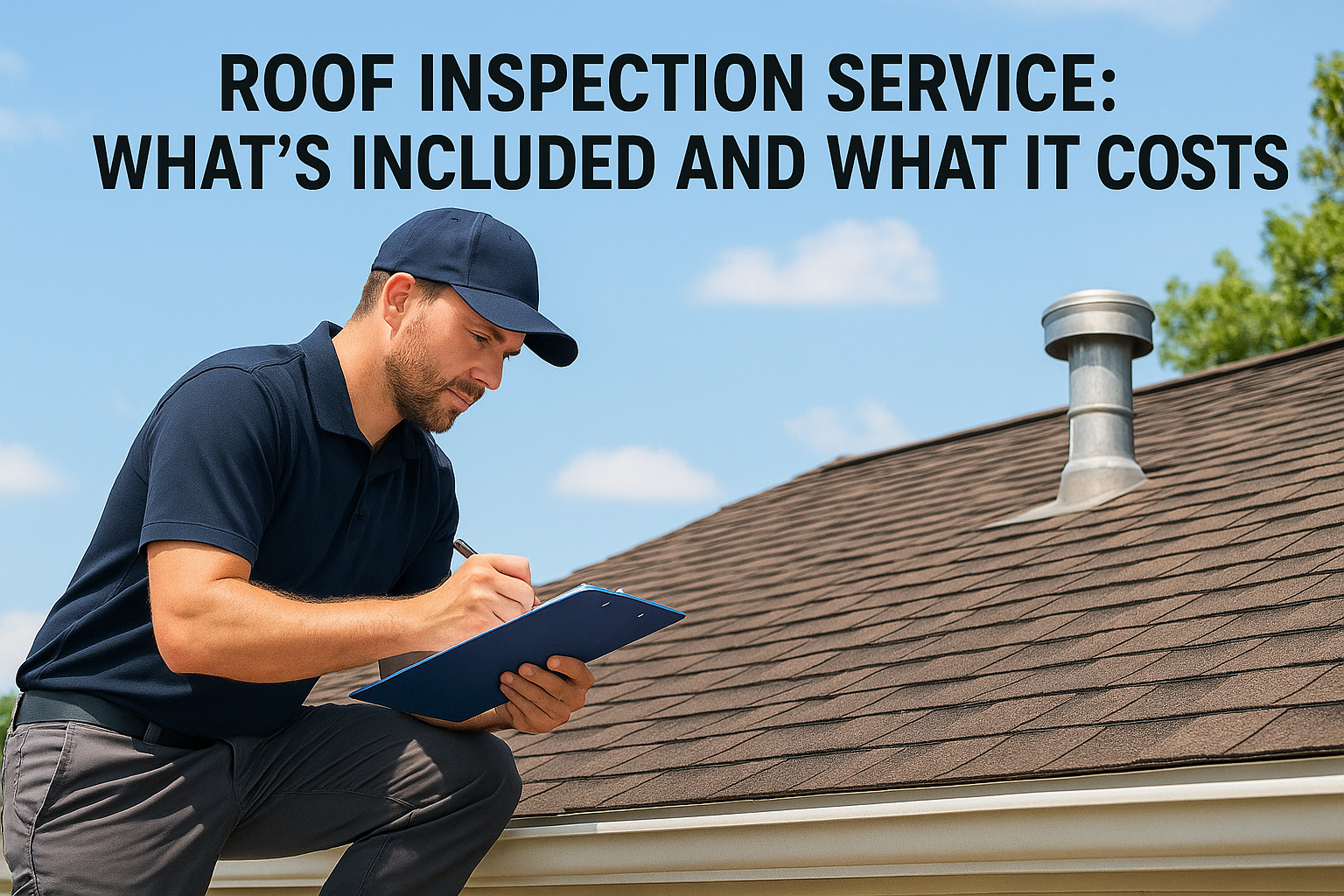
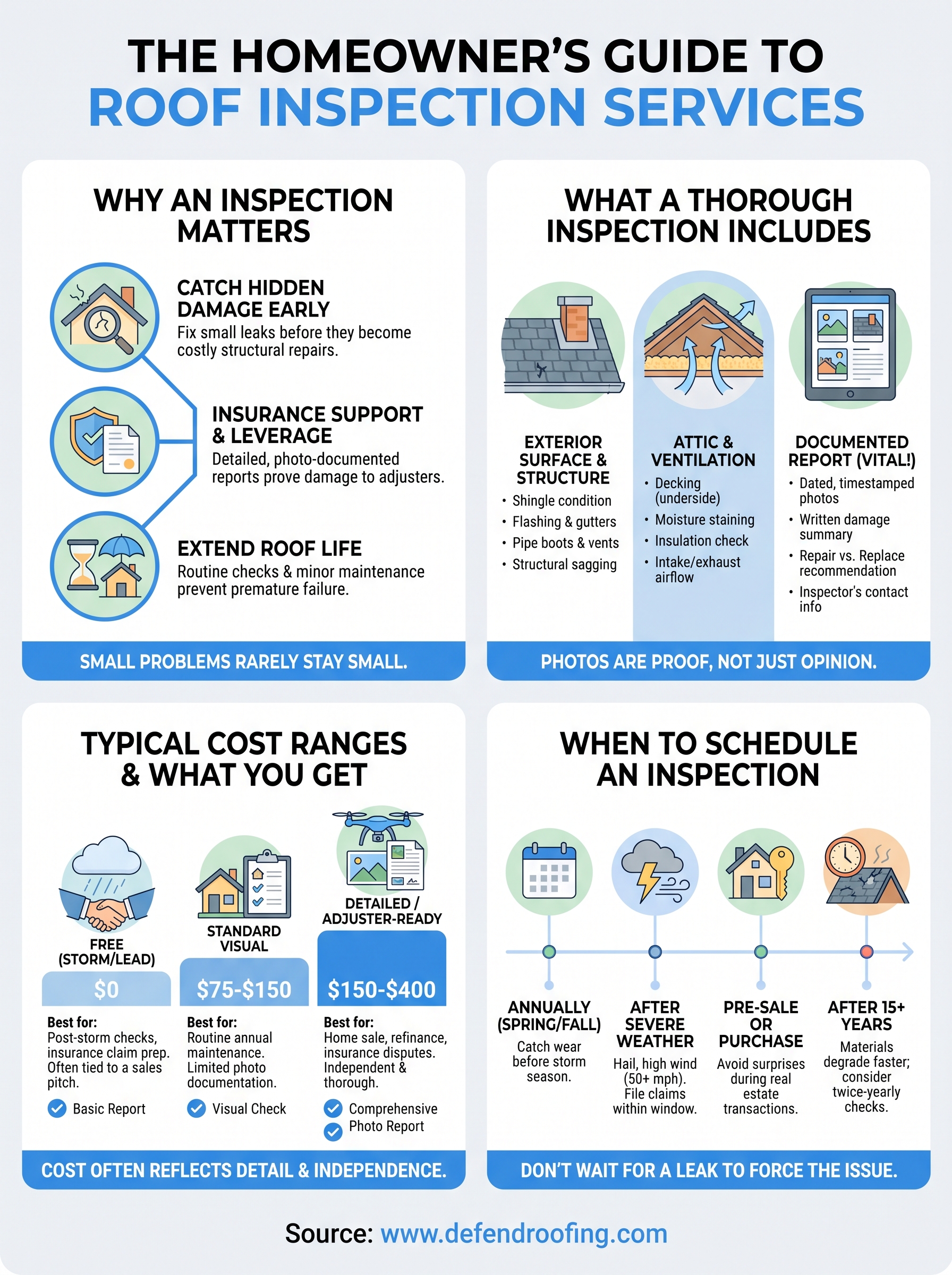
A legitimate inspection covers three zones, not just the shingles you can see from the street: the roof surface itself, the attic and ventilation system behind it, and the flashing and gutter components that tie everything together. Skipping any one of these leaves gaps in everything a roof inspection should cover that can hide a real problem. Defend Roofing's Precision Roof Assessment walks all three every time, with over 100 photos backing up the findings.
A real inspection checks what you can't see from the ground, not just what's easy to photograph.
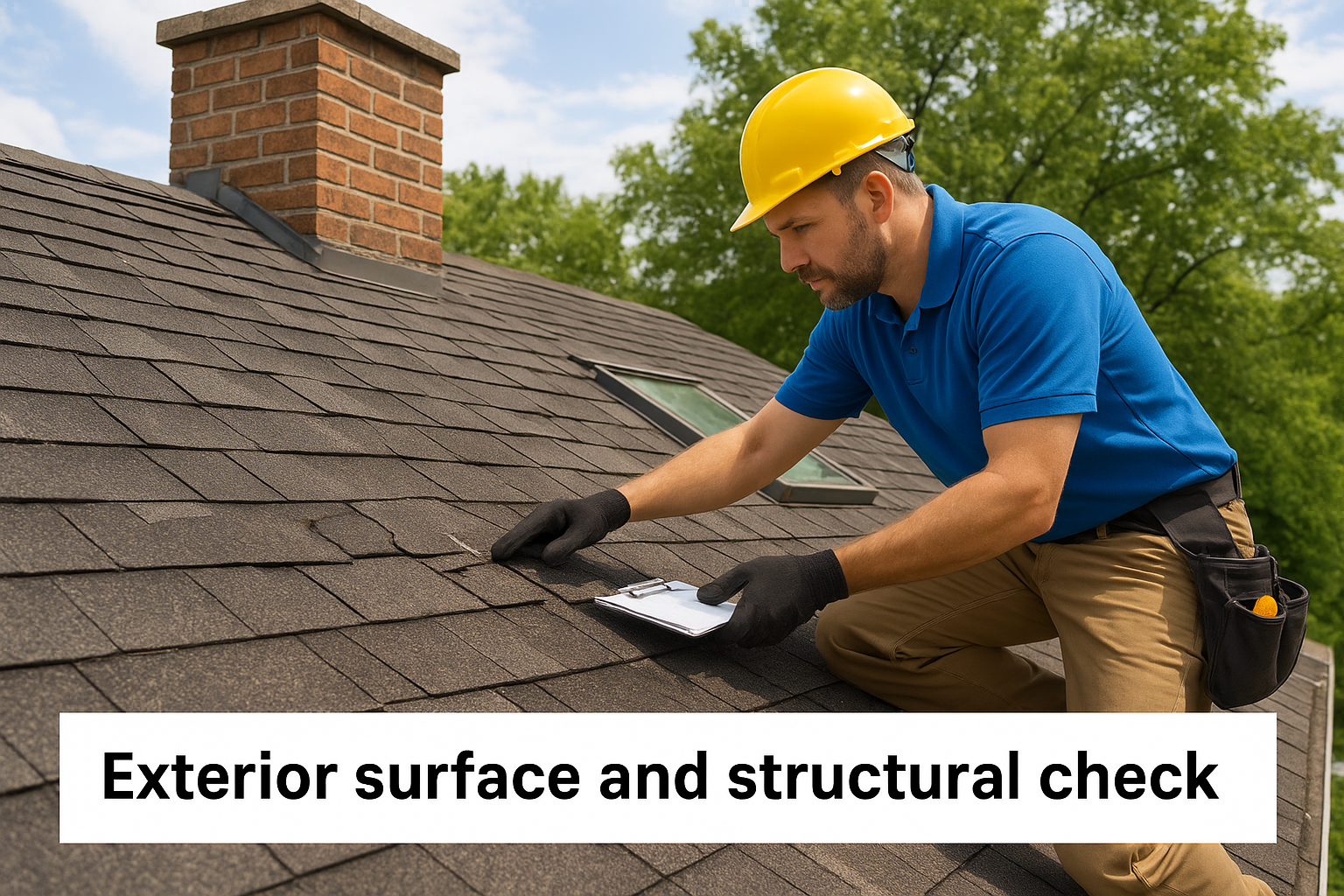
On the surface, the inspector looks for lifted, cracked, or missing shingles, granule loss, exposed nail heads, and soft spots in the decking underfoot. Chimneys, skylights, and pipe boots get individual attention since these penetrations cause a disproportionate share of leaks. Structural sagging anywhere on the roofline is a flag worth documenting immediately, since it often points to deck rot that isn't visible from the exterior alone.
Inside the attic, a good inspector checks for daylight coming through the decking, moisture staining on rafters, insulation condition, and whether intake and exhaust vents are actually moving air. Poor ventilation shortens shingle life and voids some manufacturer warranties outright, so this step protects more than just leak prevention.
Expect a written roof inspection report that includes:
A report missing photos or specifics isn't documentation, it's a sales estimate wearing a different hat.
What you'll pay for a roof inspection varies more than most homeowners expect, and the price tag usually tells you something about what's included. Free inspections exist because many roofing companies use them as a lead generator for repair or replacement work, and that's a fair trade as long as you still get real documentation. Paid inspections, typically $150-$400, buy you a standalone report that isn't tied to a sales pitch, which matters if you're not planning any work yet or need neutral documentation for a real estate transaction.
A free inspection isn't worthless, but a paid one buys you independence from the sales conversation.
Cost depends on a handful of factors: roof size, pitch, number of stories, and whether the report needs to meet insurance claim documentation standards. A single-story ranch with a low-slope roof costs less to inspect than a steep, multi-level home where the crew needs harnesses and extra time to move safely.
| Inspection type | Typical cost | Best for |
|---|---|---|
| Free storm assessment | $0 | Post-storm damage check, insurance claim prep |
| Standard visual inspection | $75-$150 | Routine annual maintenance check |
| Detailed documented report | $150-$300 | Home sale, refinance, insurance dispute |
| Drone/attic combo inspection | $250-$400 | Steep or hard-to-access roofs |
Defend Roofing's Precision Roof Assessment falls at no cost to homeowners who are dealing with storm damage or considering repair, since the goal is giving you accurate information before you spend a dollar on work. If a company quotes a price far below or above this range, ask exactly what's included before you agree, since the number alone doesn't tell you whether you're getting a real inspection or a shortened version built to move you toward a sale, and compare it against our published roofing rates.
Most roofing manufacturers and insurers recommend inspecting a roof at least once a year, ideally in spring or fall before Central Texas storm season ramps up. That single annual check catches the slow wear that accumulates from heat cycling, UV exposure, and the freeze-thaw swings that hit the Austin area more often than people expect. Waiting longer than a year means small issues like granule loss or a loosening flashing seal have more time to turn into active leaks.
Annual inspections aren't about finding problems every year, they're about proving there aren't any.
Beyond the annual check, certain events should trigger an inspection regardless of when your last one happened. Hail and high wind are the two biggest triggers in this region, and both can cause damage that's invisible from the ground but still qualifies for an insurance claim if documented quickly.
A newer roof under 10 years old generally holds up fine on an annual schedule, but older roofs need closer attention as they approach the typical lifespan for their material. Roofs past the 15-year mark benefit from twice-yearly checks, since materials degrade faster once they're past their prime and small failures compound quickly. Scheduling around this timeline, rather than reacting to a leak, is what actually keeps a roof replacement further out on the calendar instead of arriving as an emergency.
A good roof inspection service isn't about finding an excuse to sell you a new roof. It's about giving you honest information, backed by photos, so you can make a decision based on facts instead of a pitch. Whether you're dealing with storm damage, listing your home, or just due for an annual check, insist on a written report with dated photos and a clear repair-versus-replace call.
Don't wait for a ceiling stain to tell you what an inspector could have caught months earlier. Central Texas weather doesn't give roofs an easy year, and the homeowners who schedule regular checks spend less over time than those who react to leaks. If it's been a while since your last inspection, or you've never had one, schedule a photo-documented roof inspection with Defend Roofing and get a straight answer about what your roof actually needs.